Our Happy
Authors


A Comprehensive Guide for Authors
In children’s books, storytelling is not limited to words alone. Both writing and illustrations work together to create a complete narrative experience. For young readers, visuals often carry as much meaning as the text, while the text provides structure, rhythm, and direction to the story.
With the rise of automation, authors now have access to tools that can generate both written content and illustrations quickly. While this makes book creation more accessible, it also introduces a new challenge—ensuring that the story maintains depth, consistency, and emotional connection from beginning to end.
The real question is not how fast a book can be created, but how well the story is developed across both text and visuals.
Automation is now used across multiple stages of children’s book creation. Writers may use AI tools to generate story ideas, outlines, or even complete drafts, while illustrations can be produced using prompt-based image generation systems.
These tools are designed for speed and efficiency, allowing authors to move from concept to draft much faster than traditional methods. However, creating a children’s book involves more than generating content—it requires structure, intent, and continuity.
Because automated content is often produced in segments, maintaining a unified story becomes more complex. The writing and illustrations may work individually, but aligning them into a cohesive narrative typically requires careful planning and refinement.
Storytelling depth in children’s books goes beyond having a simple idea or message. It refers to how effectively the story is built, connected, and experienced across the entire book. This includes narrative structure, emotional development, pacing, and the way visuals and text work together.
In well-crafted children’s books, every element is intentional. The story is not just told—it is guided in a way that helps young readers understand, feel, and stay engaged from one page to the next.
When these elements are aligned, the story feels smooth and complete rather than fragmented. This is especially important in children’s books, where readers rely on both text and visuals to follow the narrative.
Ultimately, storytelling depth is what transforms a basic concept into a meaningful and memorable reading experience.
In strong children’s books, writing and illustrations are closely connected. The text introduces the story, while the visuals expand, reinforce, and sometimes even extend it. This relationship creates clarity and helps young readers follow the narrative more easily.
Research shows that illustrations are not just decorative—they actively support comprehension, memory, and engagement, especially for early readers who rely heavily on visual cues to understand meaning. :contentReference[oaicite:0]{index=0}
When text and visuals are aligned, each page works as a complete storytelling unit rather than two separate elements.
For example, if the text describes excitement, the illustration should reflect that emotion through character expressions, dynamic composition, and color choices. When both elements support each other, the story feels natural and engaging.
However, when alignment is missing, the experience can feel disconnected. Readers may see something different from what they read, which can reduce both engagement and comprehension. In some cases, overly complex or mismatched visuals can even distract attention instead of supporting learning. :contentReference[oaicite:1]{index=1}
In children’s books, where visuals often carry as much meaning as the text, this alignment is not optional—it is essential for building a smooth and effective storytelling experience.
👉 Read more about professional children’s book illustration services
One of the key differences in modern book creation is whether content is produced as individual outputs or as part of a continuous narrative. This distinction may not always be obvious at first, but it has a strong impact on how the final book feels to the reader.
Automated systems often generate text and images in separate steps. Each output may be effective on its own, but without a broader narrative plan, the overall story can feel slightly disconnected when everything is put together.
For example, a single illustration might look visually appealing, or a paragraph might read well independently, but they may not fully align with what comes before or after in the story.
Connected storytelling, on the other hand, considers the entire book from the beginning. Every sentence and illustration is created with awareness of how it fits into the full narrative, helping maintain flow and consistency.
In children’s books, where each page builds on the previous one, this difference becomes especially important. A well-connected story feels natural to read, while a collection of separate outputs can feel slightly fragmented, even if each part works on its own.
A children’s book may have a good idea, appealing illustrations, and simple language—but it only feels complete when all elements work together. This comes down to three core factors: character consistency, emotional depth, and story flow.
These are not separate features. They are interconnected, and when one breaks, the entire reading experience can feel slightly off, even if the reader cannot explain why.
Children rely heavily on visual recognition. Unlike adult readers, they do not constantly re-evaluate who a character is—they expect instant familiarity on every page.
Professional workflows often use character sheets and reference guides to avoid this. Without that structure, especially in piece-by-piece creation, consistency becomes difficult to maintain.
In children’s books, emotion is not just an enhancement—it is the primary driver of engagement. Children may forget plot details, but they remember how a story made them feel.
Strong storytelling builds emotion step by step. A moment of excitement works better when it follows curiosity or tension. This progression is what keeps readers engaged until the end.
Pacing controls how the reader experiences the story over time. In children’s books, this is closely tied to page turns, sentence length, and how information is revealed visually.
Well-paced books are carefully structured. Each page has a purpose—either to introduce, build, or resolve a moment. This creates a rhythm that feels natural to the reader.
When consistency, emotion, and pacing are aligned, the book feels smooth and immersive. When they are handled separately, the result often feels like a series of pages rather than a complete story.
| Aspect | Automated Creation | Story-Driven Creation |
|---|---|---|
| Writing Process |
Generated from prompts, templates, or AI text tools. Pros: Fast idea generation and low effort. Cons: Lacks coherent narrative arcs and may produce repetitive or generic text. |
Developed with structured narrative planning, outlining, and iterative revisions. Pros: Ensures story logic, plot consistency, and character growth. Cons: Requires more time and effort. |
| Illustration Process |
Images are created as separate outputs based on prompts. Pros: Quick visuals, multiple options generated rapidly. Cons: May not match the story’s tone, characters can be inconsistent across pages. |
Illustrations are designed to complement and enhance the story’s narrative. Pros: Cohesive style, consistent character design, emotions and actions align with plot. Cons: Requires close collaboration between author and illustrator. |
| Text-Visual Alignment |
Text and visuals may be created independently and require manual alignment. Effect: Can lead to mismatched emotions, pacing issues, or confusing scenes. |
Text and illustrations are planned together from the start. Effect: Creates seamless narrative flow and enhances reader understanding and engagement. |
| Continuity |
Character appearance, settings, and tone may vary across pages. Effect: Can break immersion, especially for young readers. |
Consistency is maintained across the entire book using style guides and storyboards. Effect: Reinforces character recognition and keeps readers emotionally invested. |
| Reader Experience |
Depends heavily on post-generation refinement and editing. Outcome: May feel disjointed, visually attractive but narratively weak. |
Curated to guide readers through a coherent, emotionally engaging journey. Outcome: Smooth pacing, strong emotional arcs, and a memorable story experience. |
| Flexibility & Revisions |
Easy to generate new versions quickly, but hard to ensure narrative consistency with each change. Note: Revisions can sometimes introduce new inconsistencies in both text and illustrations. |
Revisions are deliberate and integrated into the story structure. Note: Changes are applied thoughtfully, preserving story and visual coherence. |
| Long-Term Value |
Primarily short-term benefit that saves time and cost initially. Limitation: May not perform as well in the market or build an author brand. |
Investing in story-driven creation enhances the book’s longevity and market success. Benefit: Stronger reviews, higher reader satisfaction, and more opportunities for series or brand growth. |
Automation tools bring speed and convenience to children’s book creation. They can quickly generate story ideas, draft text, or produce illustrations, which can be helpful during brainstorming or early development stages.
However, efficiency alone does not guarantee a compelling story. The quality of storytelling depends on thoughtful structuring, consistent pacing, and the alignment of text with visuals. Quick outputs from AI or automated systems may look appealing but often lack the emotional depth that engages young readers.
For authors, the goal is to leverage automation as a supportive tool rather than a replacement for human creativity. Essential steps like planning, reviewing, and refining should remain central to ensure that the story resonates with readers.
Not every children’s book requires the same level of storytelling depth, but certain types of projects benefit greatly from careful, story-driven creation:
In these situations, both the writing and the illustrations must work together to create a fully immersive experience that captures the reader’s attention from beginning to end.
Maintaining creative control is essential in children’s book creation. Authors usually have a clear vision of how characters behave, how scenes develop, and how emotions should be expressed. This intent drives every decision in the book-making process.
Storytelling depth ensures that every element—from word choice to illustration style—supports the author’s vision. When writing and visuals are integrated thoughtfully, the story feels cohesive, immersive, and true to the original idea.
This approach becomes even more critical when multiple creative elements must work together seamlessly, ensuring that the final book not only entertains but also leaves a lasting impression on readers.
Creating a successful children’s book is rarely a one-step process. Most books undergo multiple rounds of iteration, where the story, characters, and visuals are carefully reviewed and improved. Each pass strengthens the clarity, flow, and emotional resonance of the story.
Key aspects of iteration include:
This iterative process ensures that the final book is polished, cohesive, and engaging, rather than feeling like a collection of isolated scenes or disconnected visuals.
Effective storytelling in children’s books depends heavily on the intended age group. Each group has different reading abilities, attention spans, and cognitive skills, which influences both writing and illustration decisions.
Adapting storytelling and illustration to the right age group ensures that children can understand, enjoy, and connect with the story. A mismatch between age and content can lead to confusion, frustration, or disengagement.
Even a talented writer and illustrator benefit from professional editing and art direction. These steps ensure the story and visuals are polished, consistent, and ready for publication.
Without careful editing and art direction, even high-quality writing or illustrations may fail to create a cohesive, engaging reading experience.
Beyond the core elements, several additional practices contribute to strong storytelling in children’s books:
By combining iteration, audience understanding, editing, art direction, and these additional factors, authors and illustrators can create books that are visually appealing, rich in narrative depth, and emotionally engaging for readers.
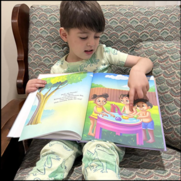
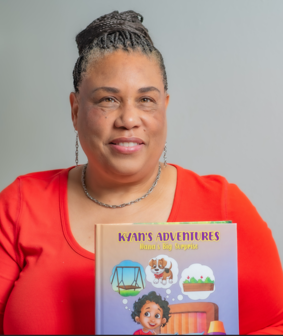

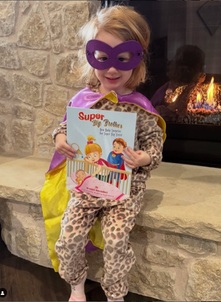
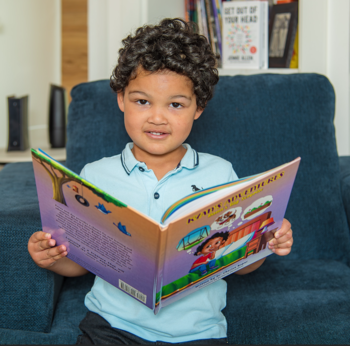
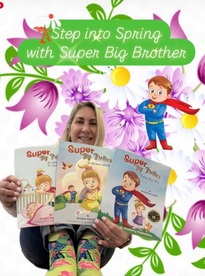
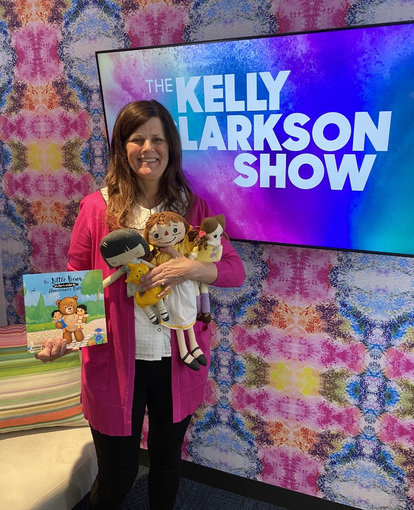


Books that engage children are not just about telling a story—they invite readers to return again and again. Strong storytelling depth combined with thoughtful illustrations can significantly increase a book’s re-read value.
By carefully designing both story and illustrations to reward repeated reading, authors can make their books memorable and commercially successful.
AI can speed up the creation process, but without careful oversight, automated books often suffer from errors that reduce engagement and storytelling depth. Authors should watch out for:
Avoiding these mistakes requires planning, iteration, and sometimes a hybrid approach where humans refine and guide AI-generated content. By addressing these common pitfalls, authors can create engaging, cohesive, and high-quality children’s books even when using automation tools.
Automation has made children’s book creation faster and more accessible, but the heart of a successful book lies in storytelling depth. A well-crafted story connects ideas, emotions, and visuals into a seamless narrative that resonates with young readers.
Ultimately, whether authors use AI or traditional illustration and writing methods, the goal is the same: to create a cohesive, engaging, and meaningful story that captures children’s imagination from the first page to the last. Tools should support the author’s vision—not replace it.
AI can assist in generating story ideas, outlines, and draft content. However, creating a complete children’s book usually requires refinement to ensure proper structure, emotional depth, and age-appropriate storytelling. Most successful books involve editing and alignment between text and visuals.
Writing provides the narrative structure, while illustrations enhance understanding and emotion. Both elements must align so that the visuals support the story and help guide the reader through each scene.
The main challenge is maintaining consistency and flow across the entire book. Since content is often generated in parts, ensuring that characters, tone, and story progression remain aligned requires careful planning and revision.
Yes, even short books require storytelling depth. Simple stories still need clear structure, consistent characters, and emotional connection to engage young readers effectively.
Authors can improve storytelling depth by focusing on structure, refining multiple drafts, maintaining consistency between text and illustrations, and ensuring that each scene contributes to the overall narrative.
Automated tools can be useful in the creation process, but professional publishing often requires additional refinement. This includes editing, visual consistency, and ensuring that the final book meets quality expectations for readers and platforms.
A book may feel disconnected when the text and illustrations are not aligned, or when scenes do not flow smoothly from one to another. Lack of continuity in characters or pacing can also affect the reading experience.
Faster creation can be efficient, but quality depends on how well the story is developed and refined. Books that are carefully planned and reviewed tend to offer a more engaging and cohesive experience.
Click here to visit our Home Page.
Click here to view the portfolio of children’s book illustrations by Blueberry Illustrations: https://blueberryillustrations.com/childrens-book-illustrationsClick here to explore affordable publishing packages offered by Blueberry Illustrations: https://blueberryillustrations.com/affordable-publishing-packagesClick here to read author testimonials and reviews of Blueberry Illustrations: https://blueberryillustrations.com/book-reviewClick here to view the Amazon book store featuring books published by Blueberry Illustrations: https://blueberryillustrations.com/book-storeClick here to watch videos showcasing Blueberry Illustrations’ publishing and illustration work: https://blueberryillustrations.com/videos