Illustrating Children's Book Series for Returning Authors
One Example from Hundreds of Multi-Book Author Collaborations Completed by Blueberry Illustrations
While many children's book illustrators work on a single title for an author, a large percentage of our projects come from authors who return to publish additional books. Over the years, Blueberry Illustrations has completed hundreds of multi-book children's book series, helping authors create memorable characters, consistent illustration styles, and professionally illustrated collections that continue to grow over time.
The Ron Reiersen collection featured below is one example of these long-term collaborations. Across nine children's books, our team provided children's book illustrations, character design, cover design, interior formatting, and publishing support while maintaining consistent artwork, visual storytelling, and production quality throughout the entire series.
Although every author has a unique vision, the challenges involved in illustrating a children's book series remain remarkably similar. Characters must remain visually consistent, illustration styles should be instantly recognizable, page layouts must support the story, and every new title should feel fresh while fitting naturally within the existing collection. These are the same principles we apply across every children's book we illustrate.
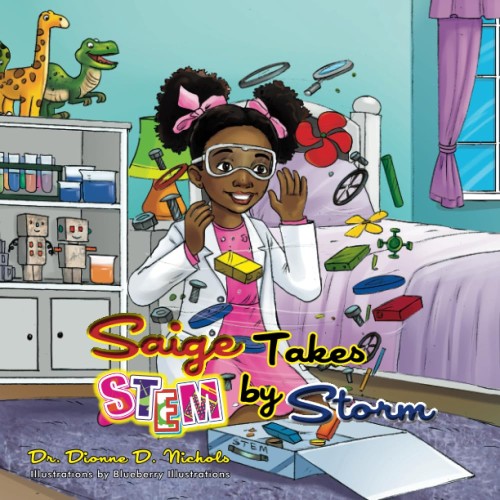
Having completed more than 3,500 illustrated and published books, including hundreds of returning-author projects, Blueberry Illustrations has developed a structured illustration workflow that helps first-time authors, experienced writers, publishers, schools, and educational organisations transform manuscripts into professionally illustrated children's books.
Hundreds of Returning Authors
Many authors return to Blueberry Illustrations to create additional books, allowing us to build long-term character consistency, visual branding, and professional illustration across complete children's book series.
Featured 9-Book Series
The Ron Reiersen collection shown below represents one example of the many multi-book collaborations completed by our illustration and publishing team.
Complete Children's Book Services
Children's book illustrations, character design, book cover design, interior formatting, ebook preparation, print-ready PDF creation, and self-publishing support—all completed under one experienced team.
Featured Children's Book Series: Ron Reiersen
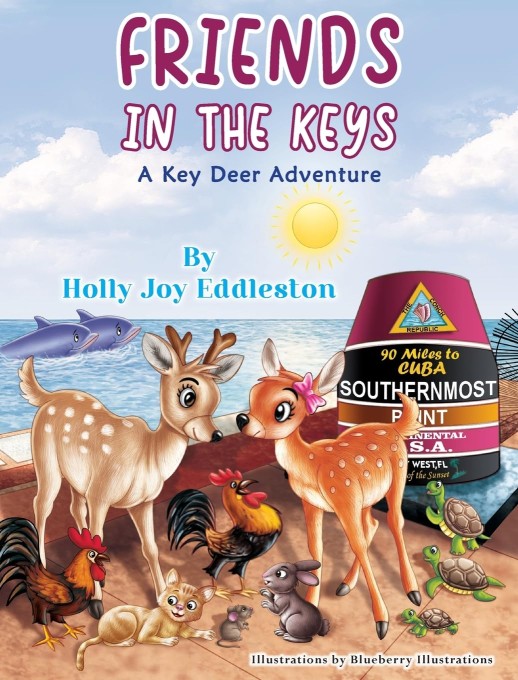
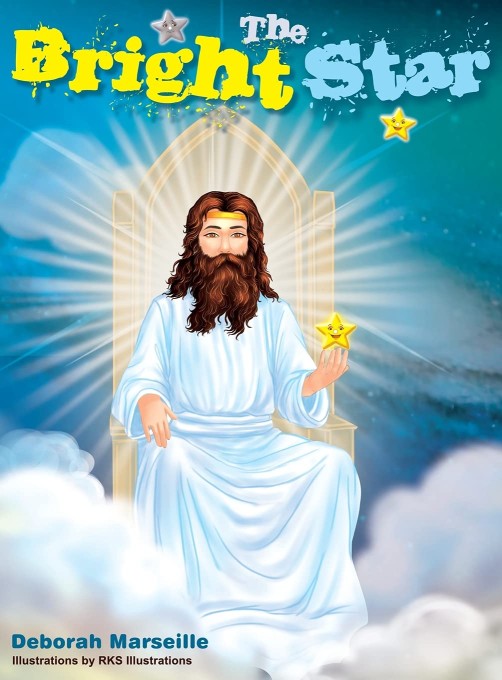
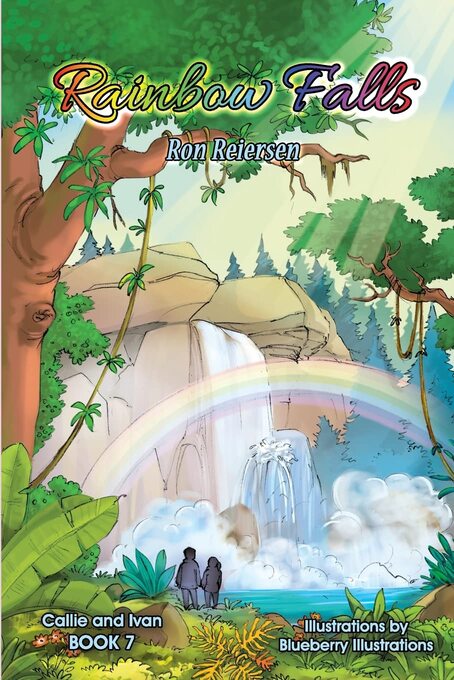
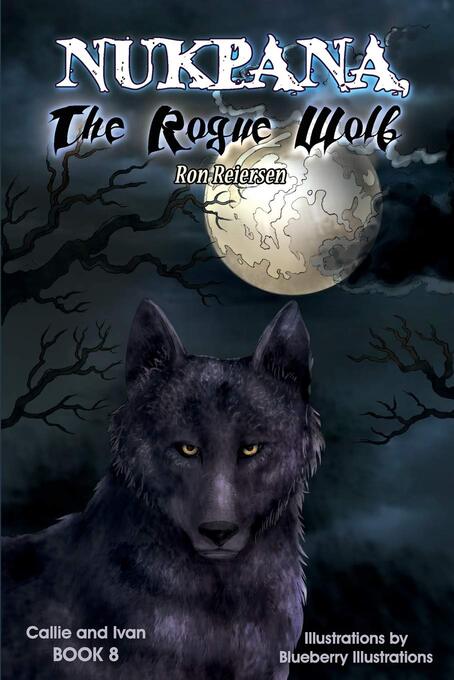
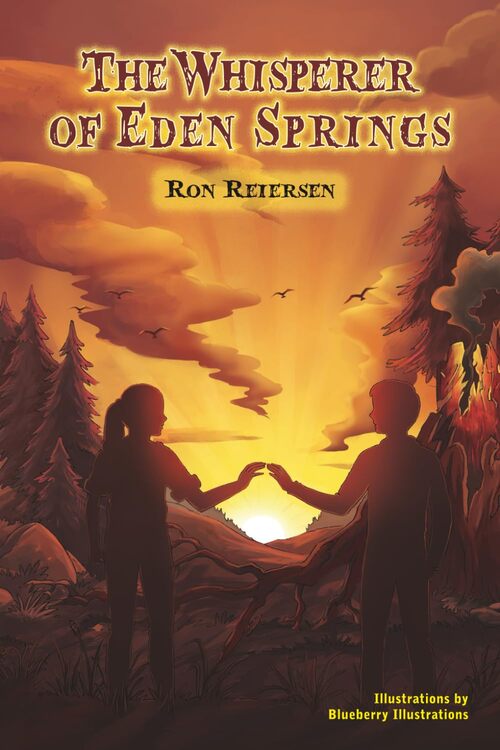
The books below represent one of the many children's book series illustrated and published by Blueberry Illustrations. Together they demonstrate our approach to children's book illustration, character development, visual storytelling, page layout, cover design, and professional book production.
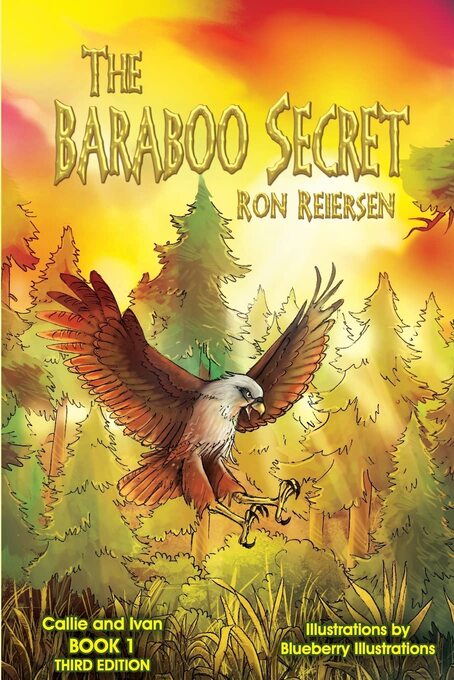
The Baraboo Secret
The Legend of Hercules the Guide Dog
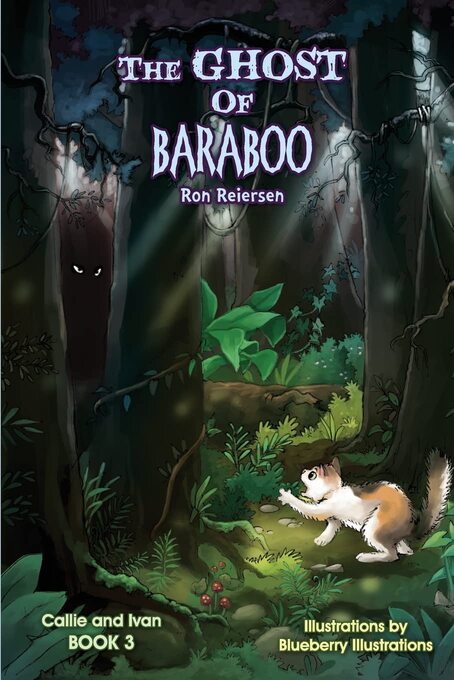
The Ghost of Baraboo
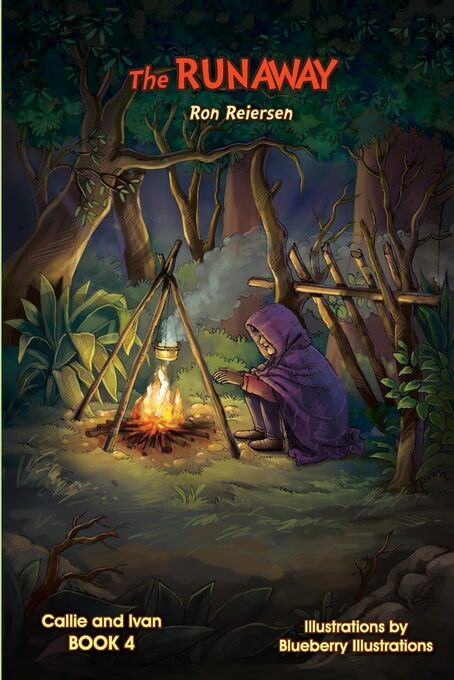
The Runaway
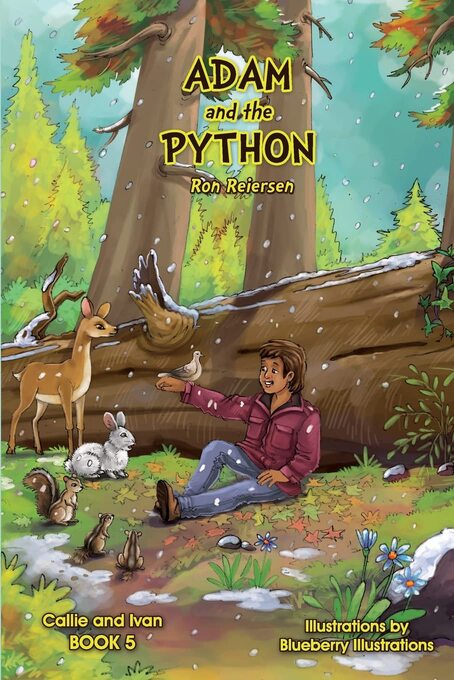
Adam and the Python
Callie's Kittens
Rainbow Falls (Callie & Ivan)
Nukpana, The Rogue Wolf
The Whisperer of Eden Springs
These books are available on Amazon, allowing prospective authors to review the finished illustration quality, cover design, page layouts, and overall production standards before beginning their own children's book project with Blueberry Illustrations.
Professional Children's Book Illustration Principles
Every children's book presents unique creative challenges. Through years of illustrating books for independent authors, publishers, educators, schools, and organisations, we have found that certain principles consistently produce stronger stories, more engaging illustrations, and better reading experiences. Our projects include picture books, educational readers, chapter books, bedtime stories, Christian books, STEM books, alphabet books, historical stories, animal adventures, and many long-running children's book series.
Whether you are publishing your very first children's book or expanding an existing series, understanding these illustration principles will help you create a book that connects with young readers while presenting your story professionally.
Character Design Is the Foundation of Every Children's Book
Children remember characters long before they remember the words. Well-designed characters create emotional connections that encourage children to keep turning the pages. Consistent facial features, clothing, proportions, colours, expressions, and personalities help readers recognise familiar characters throughout the book and across an entire series. Establishing detailed character reference sheets before final illustrations begin ensures consistency from the first page to the last.
Professional Illustrations Should Expand the Story
The best children's book illustrations do far more than simply repeat the written text. They communicate emotion, explain actions, establish atmosphere, guide the reader's attention, and reveal details that words alone cannot express. Strong visual storytelling encourages children to explore every page and remain engaged throughout the reading experience.
Planning Before Illustration Produces Better Books
Professional children's book illustration begins long before colour artwork is created. Reviewing the manuscript, planning page turns, preparing storyboards, and approving pencil sketches allows both the author and illustrator to refine ideas before production begins. This structured approach improves quality, reduces revisions, and creates a stronger finished book.
Choosing the Right Illustration Style
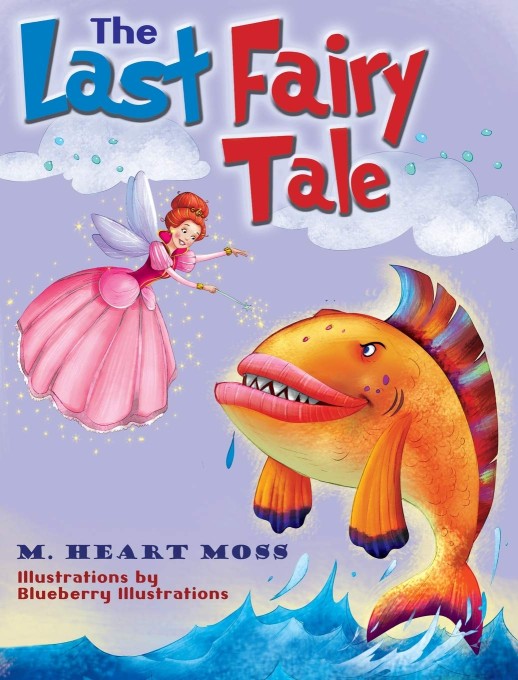
Every children's story deserves an illustration style that matches its tone, audience, and educational goals. Humorous stories often work well with bright cartoon illustrations, while educational books, historical stories, or chapter books may benefit from a more detailed or realistic approach. Selecting the right artistic style helps reinforce the story while creating a memorable reading experience.
Consistency Creates Professional Children's Books
Professional books maintain consistency throughout every page. Colour palettes, lighting, environments, typography, page layouts, illustration techniques, and character proportions should work together to create a seamless reading experience. Consistency not only improves visual quality but also prepares books for publication through Amazon KDP, IngramSpark, bookstores, libraries, schools, and other distribution channels.
A Structured Illustration Workflow
Successful children's book illustration follows a clear production process. This normally includes manuscript review, character development, storyboard planning, sketch approval, full-colour illustrations, cover design, interior formatting, and preparation of print-ready publishing files. Following a structured workflow helps projects remain organised while ensuring consistent quality from beginning to end.
Illustration Is Only One Part of Publishing
Beautiful artwork alone does not create a successful children's book. Professional cover design, interior page layout, typography, ebook formatting, print preparation, and publishing guidance all contribute to the finished product. Coordinating these services within one creative workflow helps maintain consistency throughout the entire publishing process.
Long-Term Author Relationships Matter
Many authors choose to continue working with the same illustrator as their catalogue grows. Long-term collaborations make it easier to maintain familiar characters, established illustration styles, and a recognisable visual identity across multiple books while creating a consistent experience for readers.
Common Mistakes First-Time Children's Book Authors Make
- Choosing an illustration style before identifying the target age group.
- Beginning illustrations before the manuscript has been finalised.
- Changing character designs during production.
- Adding unnecessary visual details that distract from the story.
- Ignoring page-turn pacing and visual storytelling.
- Using inconsistent colours, backgrounds, or character proportions.
- Hiring separate designers for illustrations, formatting, and publishing, resulting in an inconsistent final product.
Professional children's book illustration combines storytelling, character design, composition, colour theory, typography, and publishing knowledge. Following a structured creative process allows authors to create children's books that are visually engaging, professionally presented, and enjoyable for young readers.
Popular Children's Book Illustration Styles
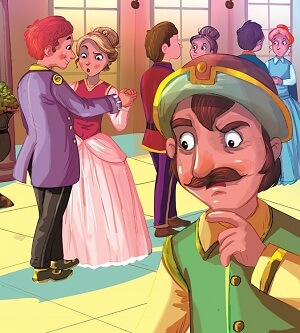
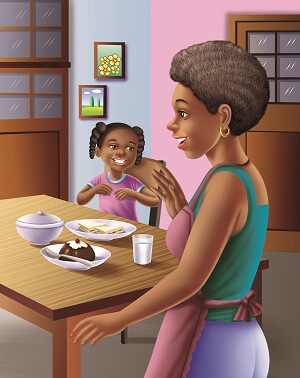
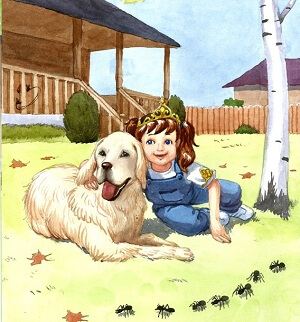
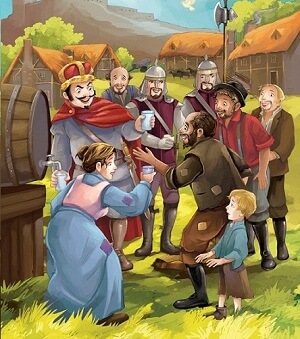
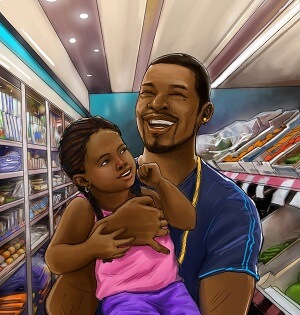
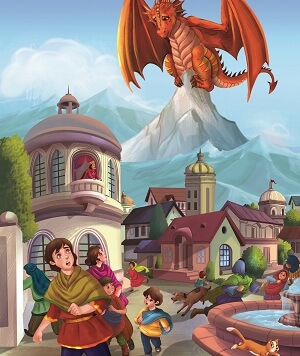
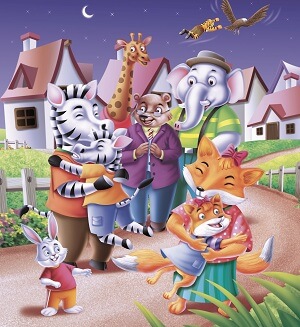
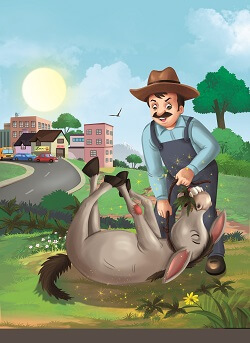
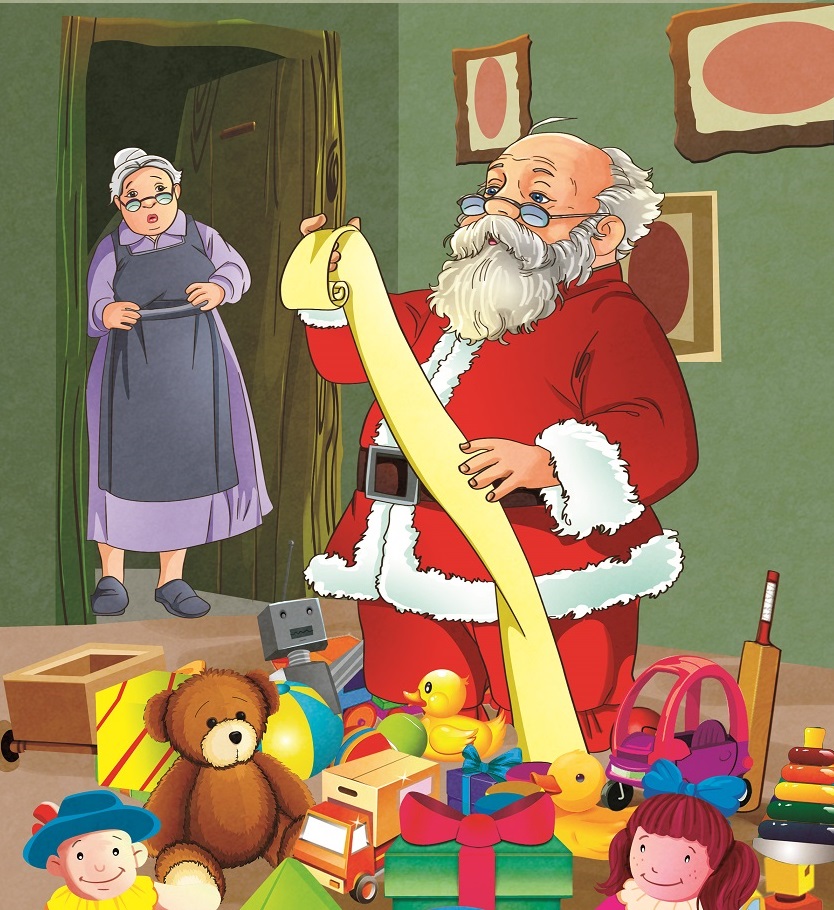
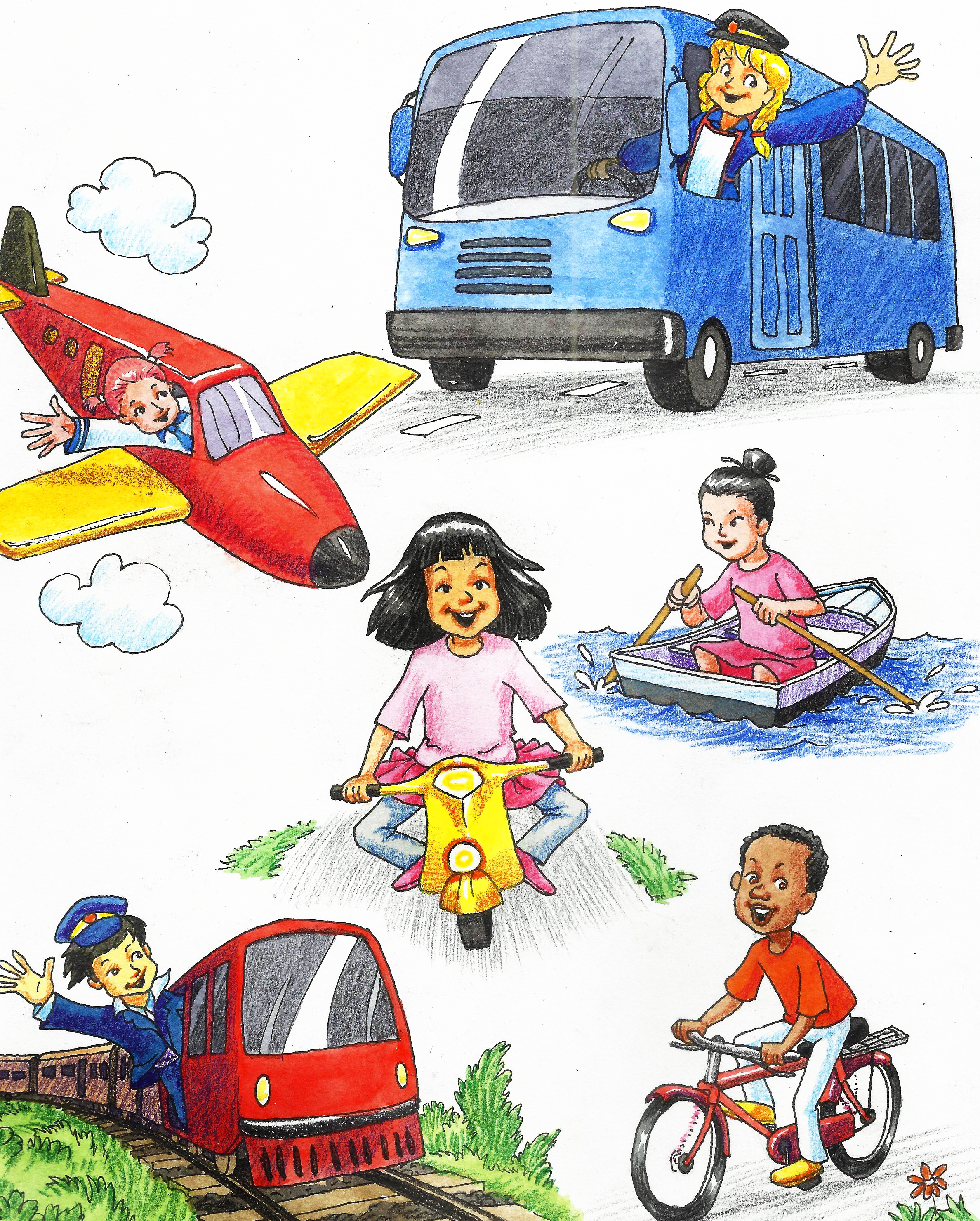
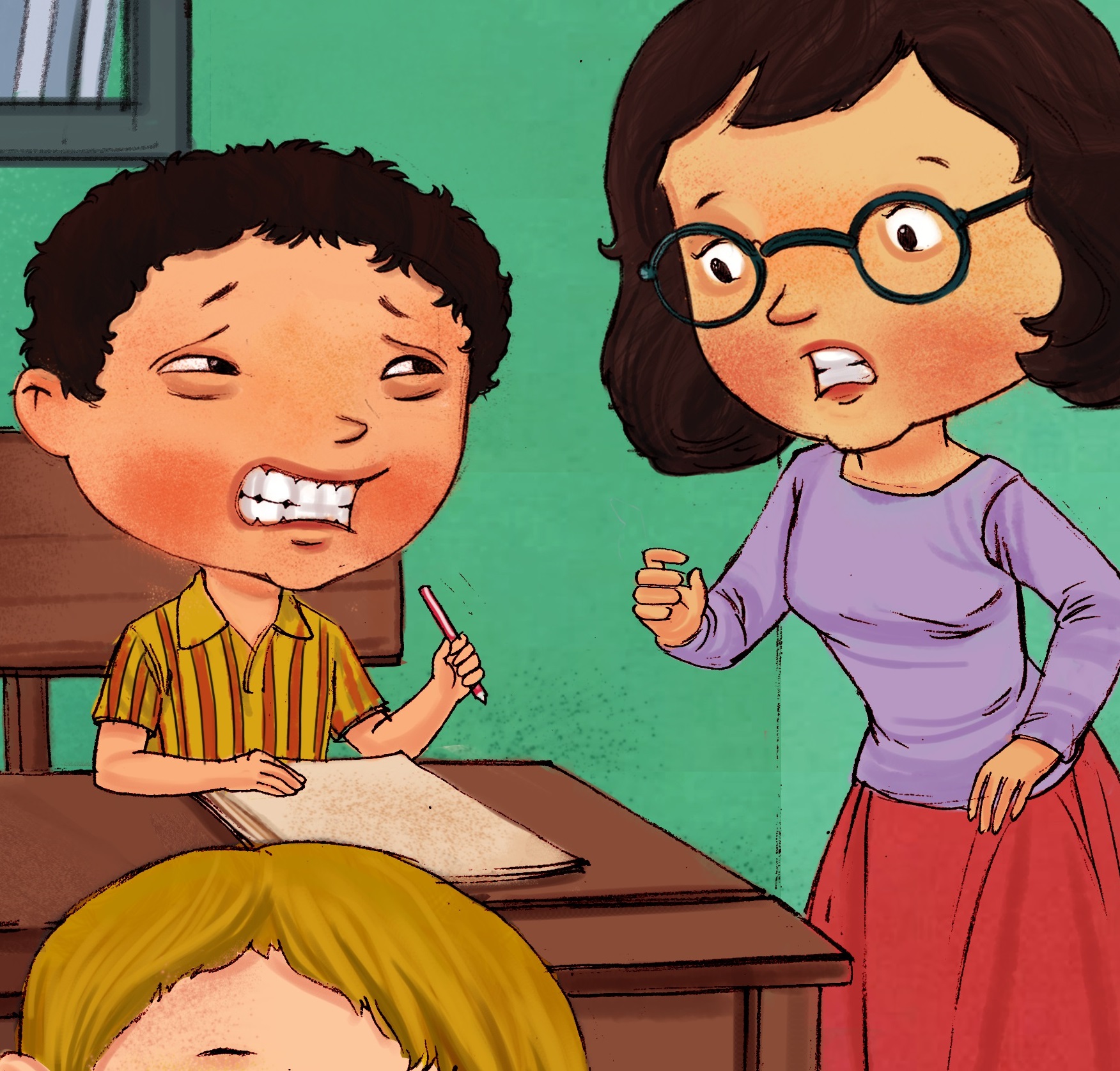
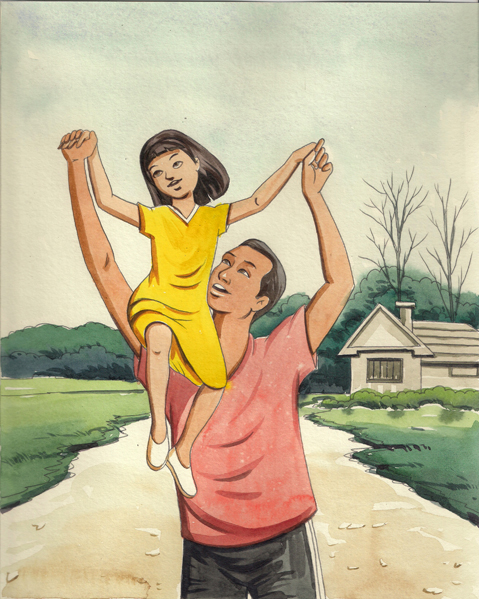
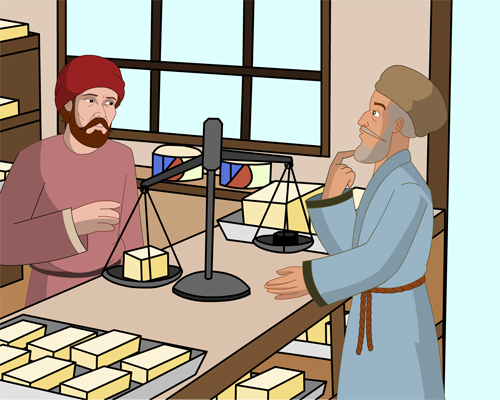
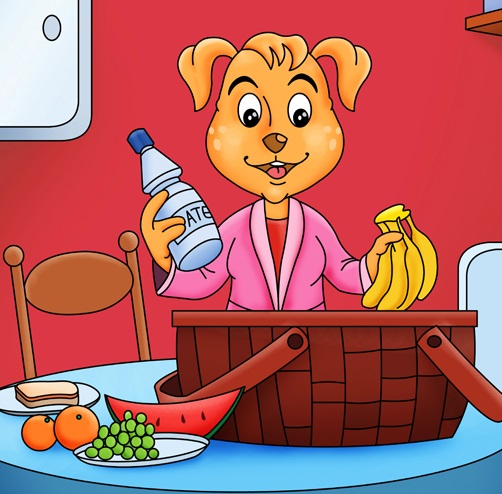
Choosing the right children's book illustration style is one of the most important creative decisions an author makes. The artwork should match the story's tone, target age group, characters, and overall reading experience. A playful animal adventure may benefit from bright cartoon illustrations, while an educational book or historical story may require a more realistic approach. Below are some of the most popular children's book illustration styles used by authors and publishers.
| Illustration Style |
Visual Characteristics |
Common Uses |
| Watercolor Illustration |
Soft textures, gentle colors, traditional storybook feel |
Picture books, family stories, bedtime books, educational titles |
| Cartoon Illustration |
Bold expressions, playful characters, bright colors |
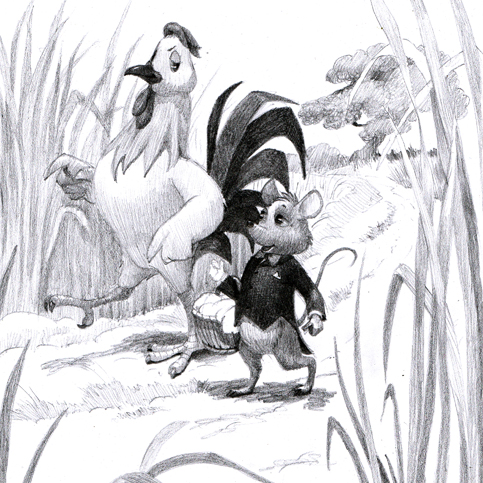
Humorous stories, animal adventures, early readers |
| Digital Painting |
Rich detail, vibrant environments, cinematic lighting |
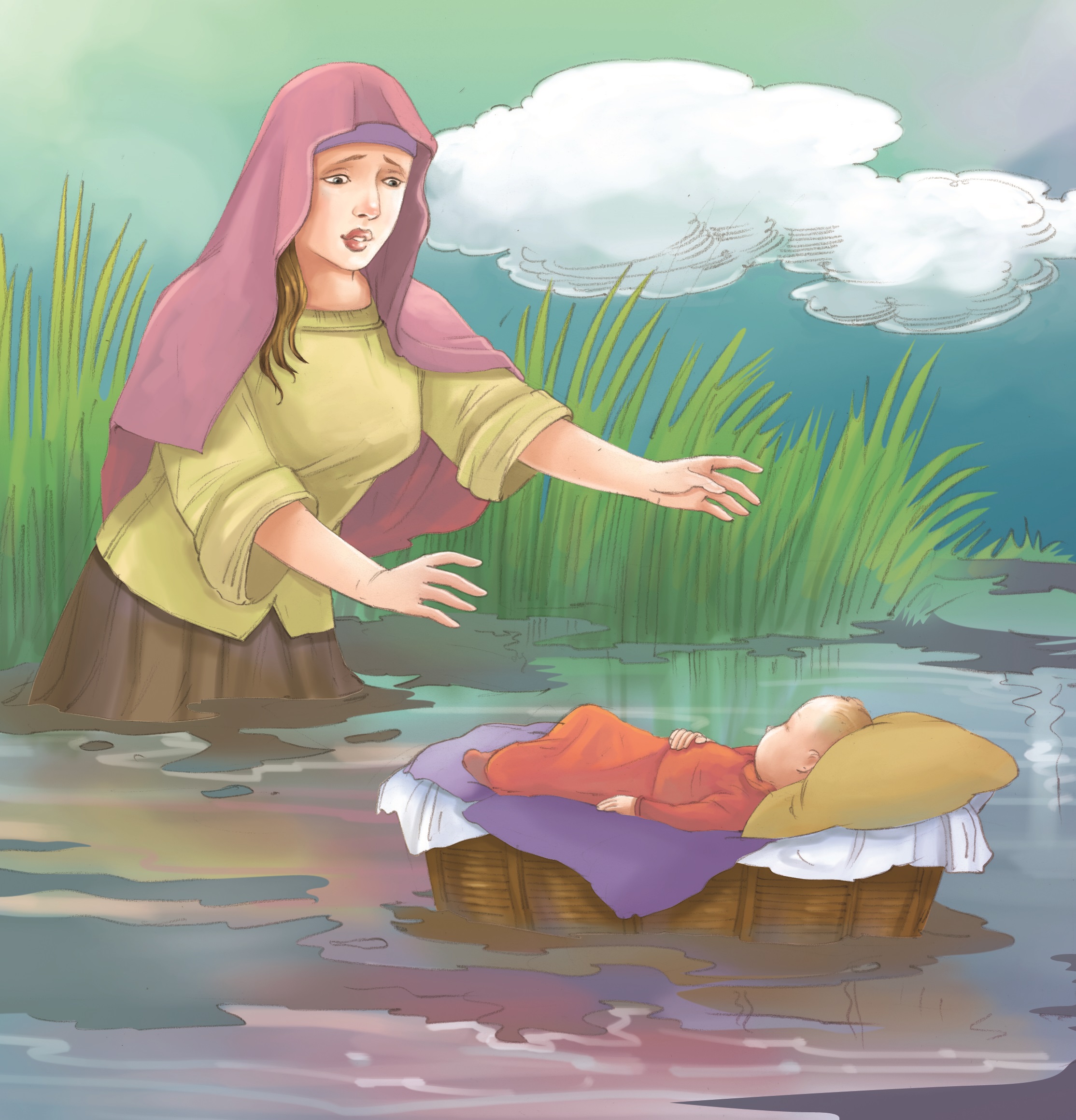
Fantasy stories, adventure books, chapter books, educational projects |
| Whimsical Illustration |
Imaginative characters, magical settings, expressive storytelling |
Fairy tales, fantasy books, imaginative adventures |
| Soft Pastel Style |
Warm colours and calming atmosphere |
Bedtime books, emotional stories, inspirational titles |
| Semi-Realistic Illustration |
Balanced realism with child-friendly appeal |
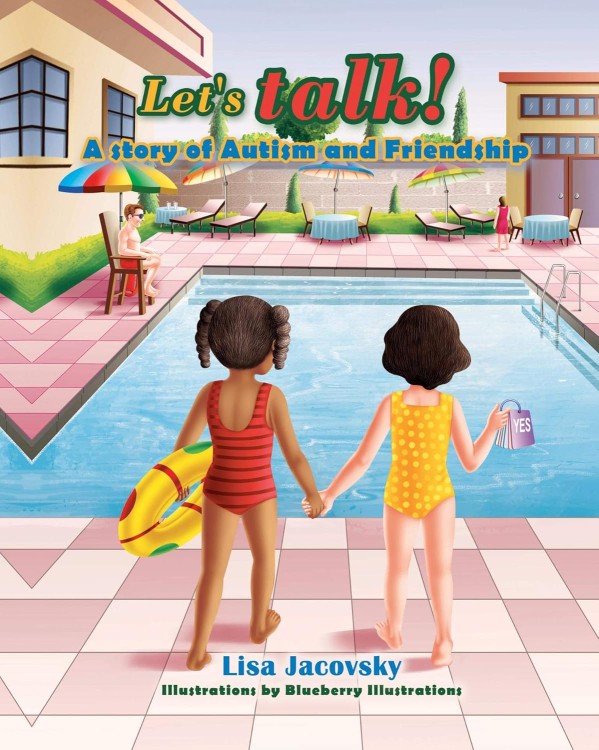
Educational books, biographies, multicultural stories |
| Hand-Drawn Pencil & Ink |
Traditional sketch appearance with expressive linework |
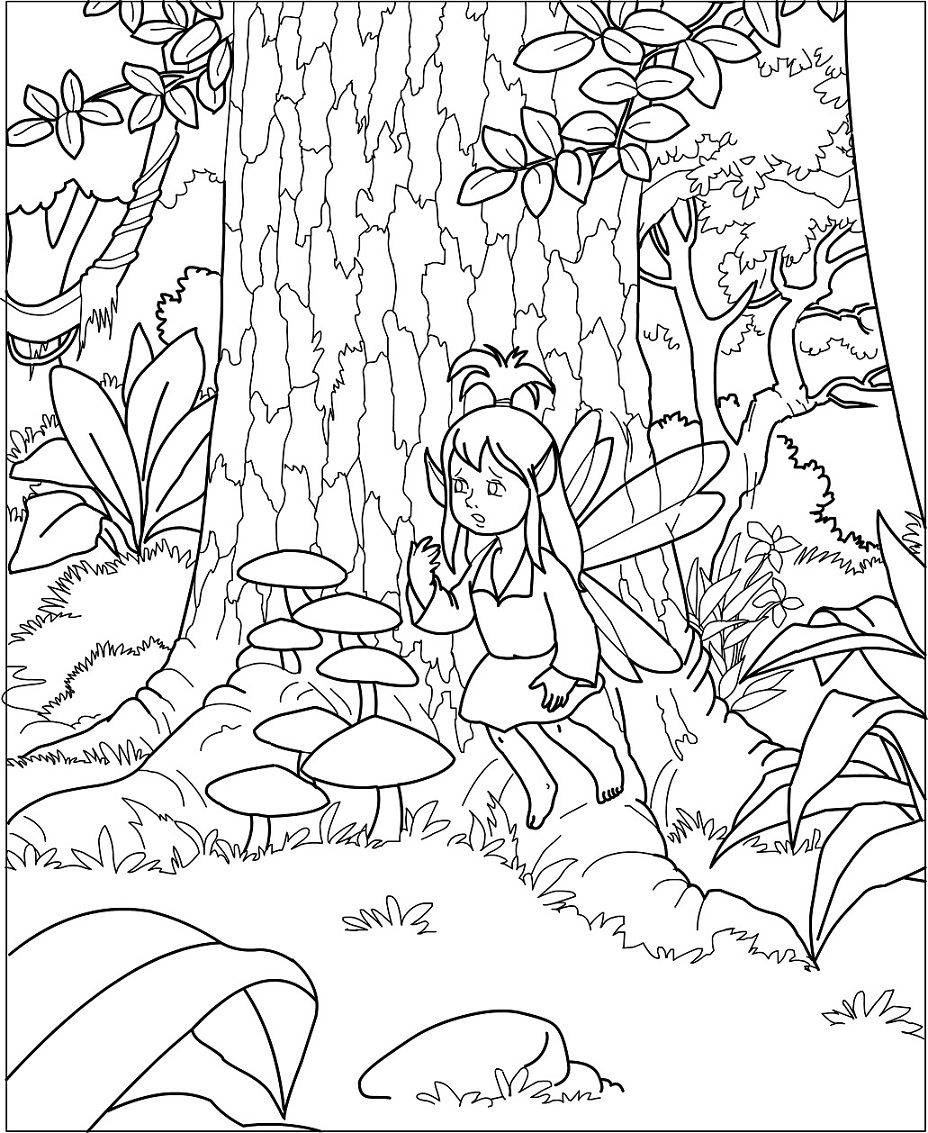
Classic stories, colouring books, activity books, educational projects |
These examples represent only a small selection of the illustration styles available. Every manuscript has unique storytelling requirements, and many styles can be adapted to suit different age groups, genres, and publishing goals. The best illustration style is one that strengthens the story while creating an engaging reading experience for children.
If you are unsure which illustration style is right for your manuscript, our illustrators can review your story, target audience, and publishing objectives before recommending the most suitable artistic direction for your project.