Our Happy
Authors


A Comprehensive Guide for Authors
Publishing has transformed dramatically in recent years. Today, schools and educational institutions no longer need to depend on traditional publishers to bring their books to life. With amazon publishing, institutions can now create, design, and distribute books globally with complete control.
Whether you are planning to publish textbooks, student storybooks, or educational resources, this guide will walk you through how to publish book on Amazon effectively while maintaining high quality.
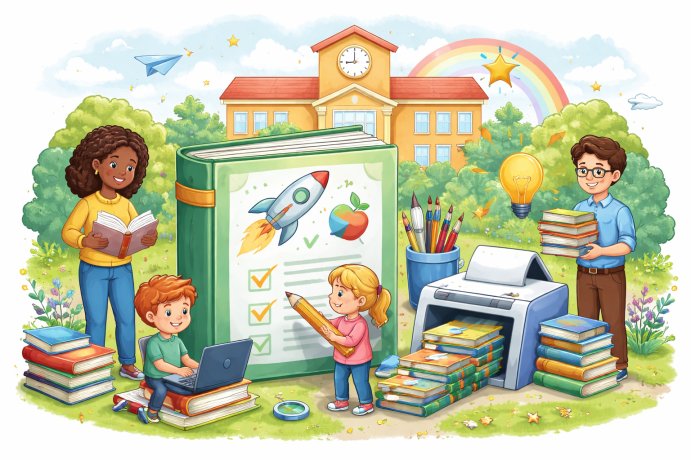
Publishing educational books on Amazon allows schools and institutions to reach a worldwide audience instantly. Whether it’s a children’s storybook created by students, a curriculum guide, or a teacher-authored resource, your content becomes accessible to readers across the globe.
Many institutions ask, how much does it cost to publish a book? Compared to traditional publishing, Amazon self publishing significantly reduces upfront costs, making it a practical solution for schools working within budgets.
One of the biggest advantages is control. Schools can manage pricing, update content, and choose distribution channels. This flexibility is especially useful for revising academic materials or releasing updated editions over time.
Publishing books helps institutions strengthen their brand and reputation. Schools can showcase student achievements, faculty expertise, and unique educational approaches, building trust among parents, educators, and the wider academic community.
From student-created books to professional academic resources, publishing opens new opportunities for schools to share knowledge, gain visibility, and establish authority.
Schools can publish their own textbooks designed specifically around their teaching methodology and curriculum. This allows institutions to create structured learning materials that align perfectly with their academic goals and provide students with consistent and customized content.
Workbooks and activity books are essential for reinforcing learning through practice. These books can include interactive exercises, puzzles, and guided activities that make learning more engaging while helping students apply concepts effectively.
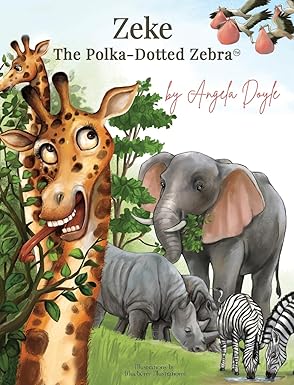
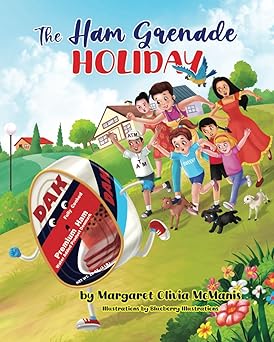
Publishing children’s storybooks created by students is a powerful way to encourage creativity and storytelling. Schools can transform student ideas into professionally designed picture books, giving young authors a platform to share their imagination and build confidence.
Educational institutions can also publish resource books and training manuals for teachers. These guides can include lesson plans, teaching strategies, and internal training materials that help maintain consistency and improve the overall quality of education.
School magazines and annual books are ideal for documenting achievements, events, and important milestones. Publishing these professionally allows institutions to preserve memories while showcasing their culture, activities, and accomplishments to a wider audience.
This step-by-step guide helps schools and educational institutions understand the complete process of publishing educational books professionally, from preparing content to making the book available worldwide.
Start with well-structured and clearly written content. Whether it is a textbook, workbook, or children’s storybook, the material should be organized in a way that supports learning and is easy for students to understand.
Professional editing ensures your content is accurate, polished, and free from errors. This is especially important for educational books where clarity directly impacts learning outcomes.
A clean and well-planned layout improves readability and engagement. Educational books require thoughtful formatting, including proper spacing, headings, and visual hierarchy to make the content easy to follow.
Illustrations play a key role in enhancing understanding, especially for younger students. Well-designed visuals can simplify complex ideas, make content more engaging, and improve the overall learning experience.
The cover is the first impression of your book. A professionally designed cover helps it stand out and attracts attention from students, parents, and educators.
Create your publishing account and prepare your files according to platform guidelines. Ensure your manuscript, cover files, and details are ready before moving forward.
Upload your manuscript, cover, and metadata carefully. This includes title, description, keywords, and categories that help your book reach the right audience.
Choose a pricing strategy that balances affordability and value. Consider printing costs, your target audience, and the purpose of the book when deciding the final price.
Once everything is reviewed and approved, your book goes live and becomes available to a global audience. Schools can then promote their books to students, parents, and the wider community.
Visual storytelling plays a powerful role in education. Instead of relying only on text, illustrations help bring concepts to life through scenes, characters, and visual narratives. This makes learning more immersive and helps students connect better with the content.
Illustrations simplify complex ideas by presenting them visually. Diagrams, step-by-step visuals, and concept-based drawings help students understand difficult topics more easily and improve overall comprehension.
Custom illustrations are designed specifically for your book and audience. They make content more engaging, visually appealing, and interactive, especially for younger readers who respond better to creative visuals.
While generic visuals or AI-generated images may seem convenient, they often lack consistency and originality. Professional illustrators ensure that visuals match the story, maintain quality, and support educational goals effectively.
Investing in professional illustration enhances the overall quality of educational books. Well-designed visuals improve learning outcomes, keep students engaged, and make the content more memorable and effective.

A well-structured layout plays a key role in how students absorb information. Proper spacing, clear headings, and logical content flow help improve comprehension and make it easier for learners to follow along. Educational books should be designed to guide the reader naturally from one concept to the next.
Choosing the right fonts is essential for readability. Fonts should be clean, age-appropriate, and easy on the eyes, especially for younger readers. Consistent typography also helps maintain a professional look while supporting better focus and understanding.
Educational books often need to work in both print and digital formats. Print design focuses on page layout, margins, and physical readability, while digital formatting must ensure compatibility across devices like tablets and e-readers. Each format requires careful planning to deliver the best reading experience.
Following publishing platform guidelines is crucial for a smooth publishing process. Proper formatting ensures that your book meets technical requirements, avoids errors during upload, and appears professional once published.
Professional book design and formatting not only improve readability but also enhance the overall learning experience. A well-designed educational book reflects the quality and credibility of the institution behind it.
To explore how professionally designed covers and layouts can elevate your book, visit our book cover design services page.
The cost of publishing an educational book depends on multiple factors such as editing, illustration, book design, and formatting. Each of these elements contributes to the overall quality and effectiveness of the book, especially in an academic environment where clarity and presentation matter.
Editing is one of the most important investments in educational publishing. It ensures that the content is accurate, well-structured, and easy to understand. High-quality editing improves both readability and the credibility of the institution publishing the book.
The cost of illustrations varies depending on the number of pages, style, and level of detail required. Children’s books and early learning materials often require more visuals, making illustration a major part of the overall budget. High-quality visuals significantly enhance engagement and learning outcomes. :contentReference[oaicite:0]{index=0}
Design and formatting costs depend on the complexity of the book layout and whether it is intended for print, digital, or both. A well-formatted book improves readability and ensures the content is presented in a structured and professional manner.
Modern self-publishing solutions allow schools to publish books without large upfront investments. Institutions can choose flexible publishing packages that combine essential services like editing, illustration, and design into one streamlined process. :contentReference[oaicite:1]{index=1}
Schools can manage their publishing budget effectively by prioritizing quality in key areas such as content, design, and visuals. Instead of cutting costs in critical areas, it is better to invest strategically to ensure the final book delivers strong educational value.
The total cost of publishing a book varies depending on the number of pages, level of customization, and services required. With proper planning and the right support, schools can create high-quality educational books within a controlled and flexible budget.
To explore detailed pricing and available publishing options, visit our affordable publishing packages here.
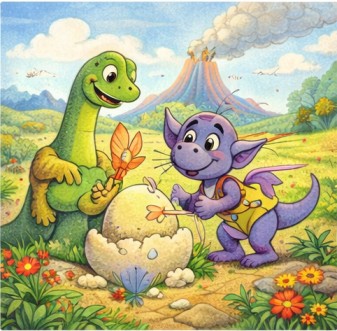
A professional book publishing service manages the entire process from concept to completion. This includes editing, illustration, design, formatting, and final publishing. Schools can focus on their content while experts handle the technical and creative aspects.
Every educational book has unique requirements. Professional teams provide custom illustrations and tailored design solutions that align with your curriculum, audience, and learning objectives, ensuring the final book is both engaging and effective.
Working with experienced professionals helps speed up the publishing process. With clear workflows and expert guidance, schools can avoid unnecessary delays and move efficiently from manuscript to published book.
Publishing involves technical details such as formatting standards, file preparation, and platform requirements. Professional support helps prevent common mistakes that can lead to rejections, errors, or poor-quality output.
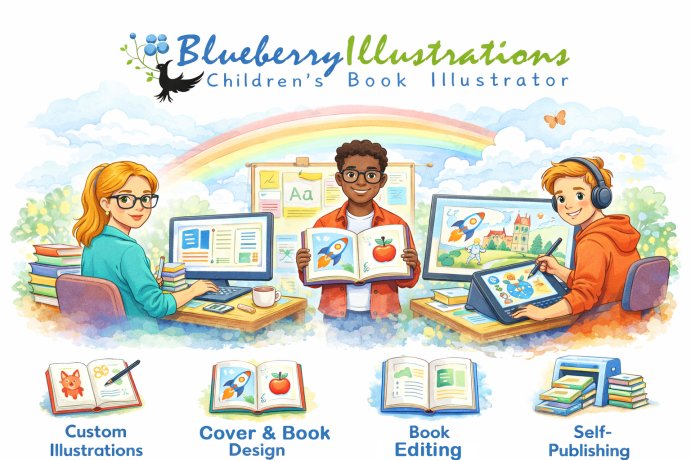
Blueberry Illustrations is a specialized illustration agency and book publishing service focused on children’s books and educational content. We work closely with schools and institutions to transform ideas into professionally published books that meet both creative and academic standards.
We create custom illustrations designed specifically for your story, subject, and audience. Our visuals are crafted to enhance learning, improve engagement, and bring educational content to life.
Our publishing packages cover everything from editing and illustration to design, formatting, and final upload. This allows schools to manage the entire publishing process in a streamlined and efficient way.
Each project is tailored to match your institution’s goals. Whether it is a textbook, workbook, or children’s storybook, we design layouts and visuals that support both readability and learning outcomes.
We guide schools through the complete self-publishing process, including file preparation, formatting, and uploading for both print and digital formats, ensuring a smooth and successful launch.
Our team of illustrators, designers, and publishing experts ensures that every book meets high-quality standards and is ready for global distribution.
Publishing on Amazon allows schools to make their books available globally. This opens up opportunities to reach students, parents, and educators beyond local boundaries.
Published books can strengthen your institution’s brand image. They showcase academic quality, student work, and unique teaching approaches, which can help attract new students and build trust with parents.
Schools can use events such as book launches, exhibitions, and annual functions to promote their publications. These activities increase visibility and create a sense of pride within the school community.
Digital platforms provide an effective way to promote books. Schools can engage parents, students, and alumni through social media, newsletters, and online communities to increase reach and awareness.
A well-planned marketing strategy ensures that your educational books not only get published but also reach the right audience and create meaningful impact.
One of the most common mistakes is ignoring proper book formatting. Poor spacing, inconsistent headings, and cluttered layouts make it difficult for students to read and understand the content. Educational books require clean structure, clear hierarchy, and thoughtful design to support effective learning.
Using generic or low-quality visuals can reduce the impact of an educational book. Illustrations should be clear, relevant, and aligned with the content. High-quality visuals help improve engagement, especially for younger readers, and make the learning experience more interactive and enjoyable.
Pricing a book too high can discourage buyers, while pricing it too low may reduce perceived value. Schools should consider factors such as production costs, target audience, and purpose of the book when setting the price. A balanced pricing strategy helps maximize both reach and credibility.
Avoiding these common mistakes can significantly improve the quality, reach, and effectiveness of your book. With proper planning and professional support, schools can ensure their publications are both impactful and successful.


Yes, Amazon allows schools to publish books without any upfront platform cost. However, professional services such as editing, illustration, and book design may involve investment to ensure the final book meets high-quality standards.
When using Amazon self-publishing, the school or institution retains full ownership and rights to the content. This allows complete control over updates, distribution, and future use of the material.
Yes, an ISBN is required for publishing. Amazon provides a free ISBN option, or institutions can choose to use their own ISBN for greater publishing control and branding.
Once all files are ready and uploaded, most books go live within a few days. The overall timeline depends on preparation stages such as editing, design, and formatting.
Yes, students can absolutely be credited as authors or contributors. This not only encourages creativity but also gives them recognition and a valuable sense of achievement.
Publishing is no longer limited to traditional publishing houses. With platforms like Amazon, schools and educational institutions can take full control of their content, creativity, and distribution.
Whether you are creating textbooks, developing educational materials, or working on a children’s storybook, a structured approach combined with professional support can make a significant difference in quality and impact.
By working with experienced book publishing services, illustration studios, and design experts, schools can produce high-quality books that educate, inspire, and strengthen their institutional identity.
To explore more self publishing tips and resources that can guide you in writing, designing, and publishing your book, click on this link.
Click here to visit our Home Page.
Click here to view the portfolio of children’s book illustrations by Blueberry Illustrations: https://blueberryillustrations.com/childrens-book-illustrationsClick here to explore affordable publishing packages offered by Blueberry Illustrations: https://blueberryillustrations.com/affordable-publishing-packagesClick here to read author testimonials and reviews of Blueberry Illustrations: https://blueberryillustrations.com/book-reviewClick here to view the Amazon book store featuring books published by Blueberry Illustrations: https://blueberryillustrations.com/book-storeClick here to watch videos showcasing Blueberry Illustrations’ publishing and illustration work: https://blueberryillustrations.com/videos