Our Happy
Authors


A Comprehensive Guide for Authors
Almost every children’s book begins with an idea.
It may start as a bedtime story shared between a parent and child, a classroom project, or a story an author has imagined for years. Writing the story is often the exciting part. Turning it into a professionally published book is where many authors discover an entirely different process.
Children’s books involve much more than words on a page. Illustrations must communicate emotion, characters need visual consistency, layouts must guide young readers naturally, and the final files must meet publishing requirements for both digital and print formats.

Many first-time authors underestimate how many decisions are involved in creating a finished book. Trim size, page layout, typography, cover design, formatting, and illustration style can all influence how readers experience the story.
Understanding these elements before starting the publishing journey can save authors time, reduce frustration, and help create a book that feels polished and engaging for young readers.
Many first-time authors choose the DIY route because it appears more affordable and gives them greater creative control. Today, AI tools and online publishing platforms have made it easier than ever to generate illustrations, design covers, and prepare books for publishing.
However, creating a complete children’s book often involves more steps than many authors initially expect.
Authors may find themselves working across several different areas:
The challenge is not necessarily creating individual elements. A single illustration or cover may look good on its own. The larger challenge is combining all elements into a consistent reading experience where the illustrations, layouts, typography, and story flow work together naturally.
Many authors discover that publishing a children’s book involves both creative and technical decisions. Understanding these requirements before starting can help authors choose the approach that best matches their goals, budget, timeline, and level of involvement.
AI tools can generate impressive artwork in a matter of seconds. For authors, this has opened new possibilities for exploring visual styles, creating concepts, and reducing production costs.
However, creating illustrations for a complete children's book involves more than producing individual images. A finished book requires visual continuity, storytelling structure, and emotional consistency from the first page to the last.
When illustrations are created across multiple scenes, authors often need to consider factors such as:
Many authors discover that generating a strong individual image and creating a complete illustrated book are two different processes. A successful children’s book often depends on how well the illustrations work together as a storytelling system rather than as separate pieces of artwork.
For this reason, many publishing workflows combine AI tools with creative direction, editing, and publishing expertise to help maintain consistency and improve the final reading experience.
A professional children's book is usually identified not by a single illustration or cover, but by how all visual and written elements work together as a complete reading experience.
Readers may not consciously notice every design decision, but they often notice when something feels inconsistent, confusing, or visually disconnected.
Professional children's books commonly include:
Professional presentation is often the result of many smaller decisions working together rather than a single design element. Illustration quality, layout, readability, and storytelling structure collectively influence how readers experience a book.
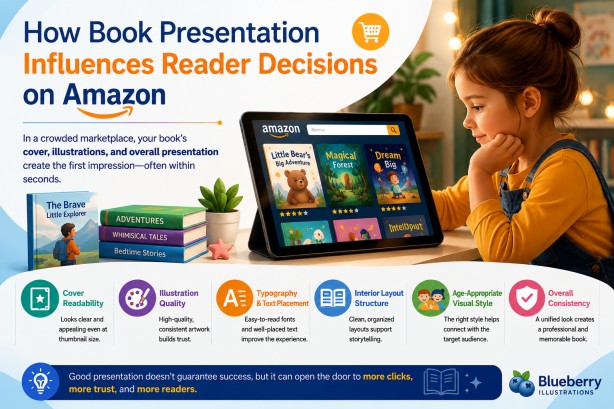
Children's book categories on Amazon are highly competitive. Readers are often exposed to many books at once through search results, recommendations, and category pages.
Before reading a description or opening a sample, readers usually form an initial impression through visual elements such as the cover, title design, illustration quality, and overall presentation.
Visual presentation often influences perceived quality and trust. While a strong story remains important, readers frequently make early judgments based on how professionally a book appears.
Elements that can influence reader perception include:
Good presentation does not guarantee success, but it can influence whether readers decide to learn more about a book in the first place. In crowded marketplaces, visual presentation often becomes one of the first communication tools between a book and a potential reader.
Amazon publishing has opened a powerful opportunity for independent authors. Today, authors can publish book Kindle editions, paperbacks, and hardcovers through Amazon self publishing platforms.
However, publishing successfully on Amazon requires more than uploading a manuscript.
Authors need:
This is why many writers search for an amazon self publishing company, affordable book publishers, book publishing services, or self publishing companies amazon authors can work with.
Many authors search for how to publish children's story books because they already have the story idea but are unsure about the publishing process that follows.
Creating a finished children’s book typically involves several separate stages:
Many first-time authors are surprised that writing the story is often only one part of the overall process. Visual storytelling, formatting requirements, and publishing specifications can introduce additional decisions that may be unfamiliar.
Different authors approach the process differently. Some prefer to learn and manage each stage independently, while others choose to work with editors, illustrators, or publishing specialists for selected parts of the workflow.
There is no single correct approach. The most effective process often depends on the author's available time, technical experience, budget, and publishing goals.
One of the most important elements in children's books is emotional storytelling. While illustrations help readers understand what is happening in a scene, they also help communicate how a scene feels.
Children often respond strongly to facial expressions, body language, colors, and visual details. A character's excitement, fear, curiosity, or happiness can influence how young readers connect with the story.
Strong illustrations commonly help support:
In AI-assisted publishing workflows, authors often pay attention not only to image quality but also to emotional consistency across pages. Individual images may look visually appealing, but maintaining a consistent emotional tone throughout a complete story can be equally important for creating an engaging reading experience.
AI-generated images have made visual content creation faster and more accessible for authors. However, creating a finished children's book illustration often involves additional design and publishing considerations beyond generating a single image.
An individual AI image may function as a standalone visual, while a children's book illustration usually becomes one part of a complete storytelling system.
A finished book illustration often needs to consider:
Many authors discover that generating an attractive image and creating a complete illustrated book involve different considerations. In AI-assisted children's book publishing, the focus is often not only on creating visually appealing images, but also on ensuring that illustrations work together to support pacing, storytelling, and the overall reading experience.
Creating a children's book usually involves more than writing a story and adding illustrations. Professional publishing workflows often combine storytelling, visual planning, design decisions, and publishing preparation into one connected process.
While readers ultimately see only the finished book, several creative and technical steps may happen during development:
In AI-assisted children's book publishing, many of these steps remain important. While AI tools can help generate visual content more efficiently, planning and workflow decisions often continue to influence the overall reading experience and final book quality.
Many successful picture books share common storytelling and visual characteristics that help improve readability and reader engagement.
First-time authors often begin with strong story ideas, but many discover that creating an illustrated book introduces creative and technical considerations that may be unfamiliar.
Common challenges can include:
Many of these issues occur because creative, design, and publishing decisions often influence one another throughout the book development process. Understanding these considerations early can help authors reduce revisions, maintain consistency, and create a smoother publishing workflow.
AI-assisted publishing has made children's book creation more accessible for first-time authors and independent creators. Instead of managing multiple tools separately, some publishing workflows combine illustration, editing, formatting, and publishing preparation into one structured process.
At Blueberry Illustrations, packages start at $249 and are designed to help authors reduce production costs while still creating books that are visually polished and publishing-ready.
Package features include:
These workflows can help simplify the process for authors who want to avoid learning multiple technical tools while moving from an idea to a completed book.
Children’s book publishing combines storytelling, design, illustration, and technical preparation. Blueberry Illustrations supports authors through both the creative and publishing stages of the process.
Areas of support include:
The goal is to help authors reduce technical challenges while maintaining consistency across the complete book experience.
Many authors assume that reducing production costs automatically means compromising on presentation or quality. However, AI-assisted workflows have changed how books can be created.
By combining technology with human creative oversight, it is possible to reduce production time and cost while still maintaining visual consistency, storytelling structure, and publishing standards.
This approach can be especially useful for first-time authors who want to test an idea, publish a personal project, or enter the market without making a large upfront investment.
AI-assisted publishing workflows can support many different types of creators and publishing goals.
Different authors have different goals, timelines, and budgets. Structured publishing workflows can help simplify the process while reducing many of the technical challenges involved in creating an illustrated book.
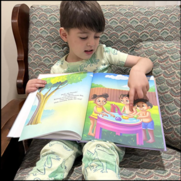
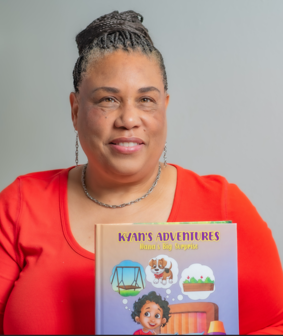

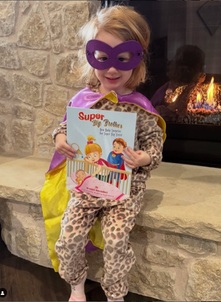


AI-assisted publishing has changed how children's books can be created by making illustration and book production more accessible for many authors.
However, creating a complete children's book often involves more than generating individual images. Storytelling, visual consistency, emotional connection, formatting, and publishing preparation all contribute to the overall reading experience.
Successful children's books are often built through a combination of technology, creative direction, and structured publishing workflows that help individual illustrations work together as a complete story.
At Blueberry Illustrations, we use AI-assisted workflows alongside human creative guidance to help authors create visually engaging and publishing-ready children's books while keeping the process affordable and accessible.
Below are some common questions authors ask before publishing children's books.
How much does children's book illustration cost?
Illustration costs can vary depending on the number of pages, illustration style, level of detail, and publishing requirements. Fully customized illustrations typically cost more, while AI-assisted publishing workflows may provide lower-cost alternatives for certain projects.
Can I publish my children's book on Amazon?
Yes. Authors can publish paperback, hardcover, and Kindle editions using Amazon Kindle Direct Publishing (KDP). Publishing usually requires properly formatted files, cover design, and print-ready layouts.
Can AI create a professional children's book?
AI can assist with image generation and content creation, but complete children's books often involve additional elements such as character consistency, visual storytelling, formatting, and publishing preparation.
Why do children's book illustrations need consistency?
Consistent illustrations help readers recognize characters, follow story progression, and maintain visual continuity throughout the book.
How long does it take to create a children's picture book?
Production timelines vary depending on manuscript length, illustration complexity, revisions, formatting requirements, and publishing goals. AI-assisted workflows may help reduce production time in some cases.
What is the best size for a children's book?
Common children's book sizes include 8 x 10 inches, 8.5 x 8.5 inches, and 8.5 x 11 inches. The ideal trim size often depends on illustration style, target age group, and publishing preferences.
Can AI maintain character consistency throughout a children's book?
AI tools can generate consistent characters, but maintaining consistency across multiple pages often requires planning, editing, and creative direction throughout the publishing process.
Do I need illustrations on every page of a children's book?
Not always. The number of illustrations usually depends on the target age group, story style, and book format. Picture books designed for younger children often include illustrations on most pages.
What file formats are required for Amazon KDP publishing?
Amazon KDP commonly requires properly formatted interior and cover files prepared according to trim size and print specifications. Requirements may vary for Kindle, paperback, and hardcover formats.
Can first-time authors publish children's books successfully?
Yes. Many first-time authors successfully publish children's books through self-publishing platforms by combining storytelling, illustrations, formatting, and publishing preparation.
To explore more self publishing tips and resources that can guide you in writing, designing, and publishing your book, click on this link.
Click here to visit our Home Page.
Click here to view the portfolio of children’s book illustrations by Blueberry Illustrations: https://blueberryillustrations.com/childrens-book-illustrationsClick here to explore affordable publishing packages offered by Blueberry Illustrations: https://blueberryillustrations.com/affordable-publishing-packagesClick here to read author testimonials and reviews of Blueberry Illustrations: https://blueberryillustrations.com/book-reviewClick here to view the Amazon book store featuring books published by Blueberry Illustrations: https://blueberryillustrations.com/book-storeClick here to watch videos showcasing Blueberry Illustrations’ publishing and illustration work: https://blueberryillustrations.com/videos