Our Happy
Authors


A Comprehensive Guide for Authors
Children's book illustration pricing varies considerably throughout the publishing industry because illustration projects rarely function as simple collections of individual drawings. Professional publishing workflows often involve visual development, storytelling design, recurring character creation, cover preparation, formatting, technical publishing requirements, and production management that extend beyond artwork itself.
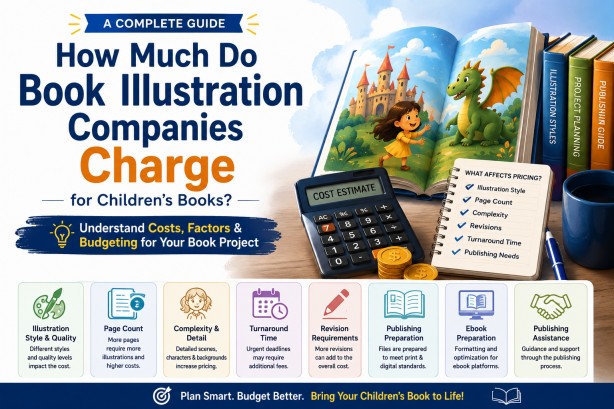
Many first-time authors researching how much does it cost to publish a book discover that illustrations frequently represent one of the largest investments within children's publishing projects. Unlike many forms of visual content used for websites or marketing campaigns, children's book illustrations often function as primary storytelling components. Images influence emotional engagement, reader attention, pacing, comprehension, and visual memory.
Modern publishing workflows may involve independent story book illustrators, illustration firms, illustration studios, an illustration agency, complete book publishing services, or self publishing companies Amazon authors frequently use when preparing books for market distribution.
Because production structures differ substantially, pricing models often vary according to:
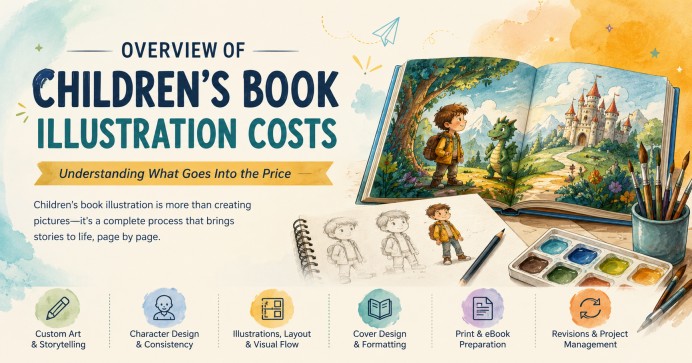
Children's book illustration is one of the most labor-intensive components of the publishing process. Unlike many other publishing services that are completed once, illustration work is repeated across dozens of pages while maintaining consistent characters, environments, visual storytelling, and production quality throughout the book.
For this reason, illustration costs are primarily driven by artist time rather than physical deliverables. A children's book may contain only a few dozen illustrations, but each illustration often requires multiple production stages including concept development, sketching, revisions, color rendering, and final artwork preparation.
Professional book illustration companies also operate differently from individual freelance illustrators. Many illustration firms employ project managers, art directors, designers, and production specialists who oversee quality control, scheduling, revisions, formatting requirements, and publishing preparation. These additional resources can influence overall project pricing while also reducing production risks for authors.
Another characteristic unique to children's publishing is the importance of visual continuity. Characters must remain recognizable from the first page to the last, emotions must be communicated clearly, and illustrations must work together to support the story's narrative flow. Maintaining this consistency often requires substantial planning before the first illustration is finalized.
Illustration costs therefore represent more than the creation of individual images. They reflect the time, artistic skill, production management, and visual development required to transform a manuscript into a cohesive picture book. Understanding this distinction helps explain why children's book illustration pricing can vary considerably between projects, artists, and illustration companies.
Book illustration companies use several pricing models to estimate production costs. The pricing structure selected for a project often depends on the scope of work, the provider's business model, the complexity of the illustrations, and the additional publishing services included within the project.
Within the children's publishing industry, illustration pricing may be calculated on a per-illustration basis, per-page basis, project basis, or, less commonly, through hourly billing arrangements. Each model offers different advantages for both authors and service providers.
Per-illustration pricing is one of the most widely used pricing methods among independent artist for books providers, freelance author illustrators, and specialized Children's Book Illustration Services companies.
Under this model, a fixed price is assigned to each completed illustration. Authors generally benefit from straightforward budgeting because the total illustration cost can often be estimated by multiplying the number of required illustrations by the agreed illustration rate.
However, illustration prices may vary considerably depending upon scene complexity. A simple character-focused illustration with a minimal background typically requires less production time than a fully rendered scene containing multiple characters, environmental details, lighting effects, and visual storytelling elements.
Authors evaluating per-illustration quotes should determine whether character design, revisions, background artwork, and commercial usage rights are included within the quoted price.
Per-page pricing is frequently used for picture books because visual storytelling is commonly organized around page turns rather than individual illustrations.
Under this structure, providers calculate costs according to the number of pages requiring artwork. This model often simplifies project planning because children's books are typically produced using standardized page counts.
Common picture book lengths include:
Although page-based pricing appears straightforward, not all pages require the same level of production effort. Some pages may contain simple spot illustrations, while others may involve full-page artwork or detailed double-page spreads. As a result, many providers adjust page-based pricing according to illustration complexity.
Package-based pricing is commonly used by illustration firms, illustration studios, and companies that provide complete book publishing services.
Rather than pricing individual production components separately, the provider develops a comprehensive project estimate covering multiple stages of book development.
Package-based projects may include:
This pricing model is often preferred by first-time authors because it provides greater budget predictability. It also allows publishing providers to coordinate illustration, design, formatting, and production requirements within a single workflow.
In many cases, package pricing may prove more economical than purchasing each service independently because project management and production coordination are handled by the same provider.
Hourly pricing is less common within children's publishing but may occasionally be used during consulting, developmental artwork, or projects where the final scope has not yet been clearly defined.
Hourly arrangements may be appropriate when:
Although hourly billing offers flexibility, it may create greater budget uncertainty than fixed-price project structures. For this reason, many authors prefer fixed illustration estimates whenever possible.
Children's book illustration pricing varies considerably throughout the publishing industry. Differences in artistic style, illustrator experience, production quality, revision requirements, and project scope can all influence final costs.
As a general market observation, beginner freelance illustrators may charge relatively modest rates, while established illustration studios and experienced publishing professionals often command substantially higher fees. Projects that include custom character development, extensive background artwork, recurring characters, double-page spreads, or publishing preparation services frequently exceed basic illustration pricing levels.
It is important to recognize that illustration quotes cannot always be compared on price alone. Two providers may quote dramatically different amounts for what appears to be the same book while offering very different levels of artistic detail, revision flexibility, project management, publishing support, and production quality.
For this reason, experienced authors often evaluate illustration proposals according to overall value rather than illustration pricing alone. Factors such as portfolio quality, consistency of character design, publishing experience, communication processes, and production support frequently influence the long-term success of an illustrated children's book as much as the initial illustration cost itself.
When evaluating how much book illustration companies charge for children's books, pricing is typically influenced by a combination of artistic, technical, and production-related factors. Although pricing structures vary among illustration studios, illustration agencies, and Children's Book Illustration Services providers, several common variables frequently affect overall project costs.
Illustration Style and Complexity
Artistic style is often one of the most significant variables affecting illustration pricing. Different visual approaches require varying levels of drawing, rendering, color development, and production time. In addition, certain styles may require specialized artistic skills that influence project costs.
Common illustration styles include:
Many professional illustration studios also conduct preliminary visual development before artwork production begins. This process may include character exploration, color palette selection, environmental references, and style testing intended to establish visual consistency throughout the book. Such development stages may contribute to the overall project cost.
Number of Illustrations and Page Count
For many children's publishing projects, the quantity of book illustrations represents one of the primary cost drivers. However, professional book illustration companies generally evaluate illustration requirements rather than page count alone, since different pages may require substantially different levels of artistic effort.
Book projects frequently contain a combination of:
Consequently, two children's books containing identical page counts may require significantly different production investments depending on the volume, placement, and complexity of artwork included throughout the manuscript.
Background Detail and Scene Composition
Scene composition and environmental detail frequently influence illustration workload. While some illustrations may focus primarily on characters and simple settings, others may require extensive background development, visual research, perspective construction, and environmental storytelling.
More complex compositions may include:
In children's publishing, book illustrations often serve both narrative and visual functions. As a result, scene composition frequently involves balancing storytelling requirements, character visibility, page readability, and available space for text. Projects requiring more elaborate environments and sophisticated visual storytelling generally involve greater production effort and may therefore command higher illustration fees.
Double-page spreads occupy two facing pages and represent a common format within picture books and illustrated publications. They are frequently used to present wide environments, establish spatial relationships, depict large-scale events, or accommodate visual sequences that extend beyond the limitations of a single page.
From a production perspective, double-page spreads often involve design considerations that differ from those associated with standard page illustrations. Because the artwork extends across a book spread, the composition must account for both pages functioning as a unified visual arrangement.
Common production considerations include:
In commercial publishing workflows, double-page spreads may require additional planning during the sketch, layout, and production stages. The need to coordinate composition across two pages, maintain readability, and accommodate printing specifications can increase production requirements relative to single-page illustrations.
As a result, many book illustration companies, illustration studios, and Children's Book Illustration Services providers treat double-page spreads as a distinct illustration category when estimating project costs.
Revision requirements frequently influence the overall cost of children's book illustration projects because artwork production is typically organized as a sequential workflow. Changes introduced at one stage of production may affect multiple subsequent stages, requiring additional artistic, technical, and administrative effort.
Professional book illustration companies commonly structure projects around a series of approval milestones intended to reduce production risk and maintain consistency throughout the book. These milestones often include manuscript review, page planning, character development, sketch approvals, color approvals, layout review, and final production preparation.
Typical approval stages may include:
Within this workflow, revisions requested during early stages generally require fewer production resources than modifications requested after artwork has progressed toward completion. A sketch revision may involve compositional adjustments or visual clarification, whereas a change requested after rendering, layout integration, and production preparation may require multiple stages of work to be repeated.
For example, a modification to a character's appearance after sketch approval may require updates across numerous illustrations to maintain visual consistency. Similarly, changes to environments, page composition, or visual storytelling elements may affect previously approved artwork elsewhere within the manuscript.
Manuscript revisions frequently represent another source of additional production requirements. Alterations to story structure, page sequence, character descriptions, scene content, or narrative emphasis may require corresponding changes to visual planning and illustration development. In some cases, previously completed artwork may no longer align with the revised manuscript and may require partial or complete redevelopment.
Revision activity may also affect project scheduling. Additional review rounds, delayed approvals, and repeated modification requests can extend production timelines and increase coordination requirements among illustrators, designers, project managers, and authors. As production schedules expand, additional project-management and quality-control resources may be required.
For this reason, many illustration studios establish revision policies as part of their production methodology. These policies are generally intended to define approval responsibilities, limit unnecessary rework, maintain schedule predictability, and ensure that production resources remain aligned with the original project scope.
In commercial publishing workflows, revision policies are therefore not solely administrative procedures. They function as mechanisms for controlling production complexity, preserving workflow efficiency, and managing the cumulative costs associated with iterative creative development.

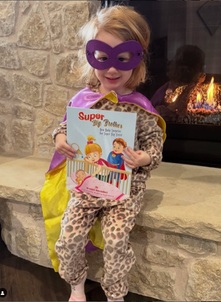
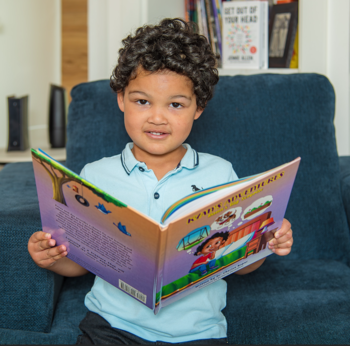
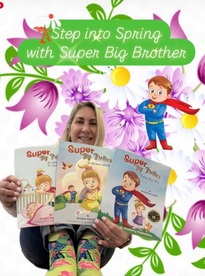
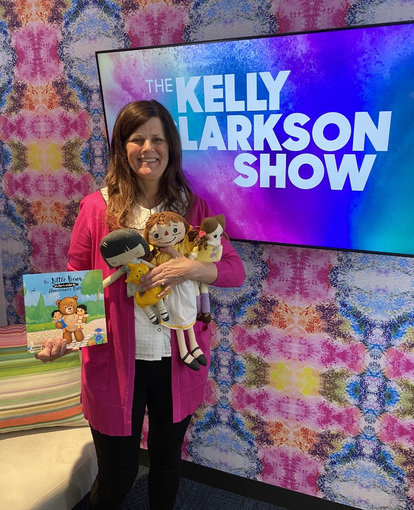


The cost of children's book illustration can vary considerably depending on the artistic, technical, and production requirements of a project. Book illustration companies, illustration studios, and independent artists may use different pricing models, but most projects are ultimately influenced by factors such as illustration style, artwork quantity, scene complexity, double-page spread requirements, revision workflows, and publishing specifications.
Because every manuscript presents unique visual and production challenges, illustration costs are rarely determined by page count alone. Elements such as visual development, storytelling requirements, layout considerations, print preparation, and project management may all contribute to the overall investment required to produce a professionally illustrated children's book.
For this reason, authors evaluating illustration proposals often benefit from examining both pricing structures and project deliverables. A comprehensive comparison typically considers not only the quoted cost but also the scope of services, revision policies, production standards, technical preparation, and long-term publishing objectives associated with the project.
To explore more self publishing tips and resources that can guide you in writing, designing, and publishing your book, click on this link.
Click here to visit our Home Page.
Click here to view the portfolio of children’s book illustrations by Blueberry Illustrations: https://blueberryillustrations.com/childrens-book-illustrationsClick here to explore affordable publishing packages offered by Blueberry Illustrations: https://blueberryillustrations.com/affordable-publishing-packagesClick here to read author testimonials and reviews of Blueberry Illustrations: https://blueberryillustrations.com/book-reviewClick here to view the Amazon book store featuring books published by Blueberry Illustrations: https://blueberryillustrations.com/book-storeClick here to watch videos showcasing Blueberry Illustrations’ publishing and illustration work: https://blueberryillustrations.com/videos