Our Happy
Authors


A Comprehensive Guide for Authors
Modern self publishing has made it easier for writers to publish book Kindle and paperback editions together through Amazon’s publishing platform. Many independent authors, author illustrators, and small publishing businesses now launch both digital and print formats simultaneously in order to reach a wider audience.

Within amazon publishing, Kindle editions offer fast global digital distribution, while paperback editions continue serving readers who prefer physical books, gifts, libraries, classrooms, and bookstores. Publishing both versions together may also improve visibility and sales performance on Amazon.
This approach has become especially popular among creators learning how to publish children's story books, how to publish a children's novel, and creators involved in creating a picture book projects. Many authors now work with professional book illustration companies, illustration agencies, Children’s Book Illustration Services providers, and book publishing services to prepare files suitable for both Kindle and paperback publishing.
Simultaneous Kindle and paperback publishing has become increasingly common within independent publishing because it allows authors to reach multiple reader groups through a single coordinated release strategy. Many modern book publishing services providers now recommend dual-format publishing as part of standard publication planning due to its potential advantages in visibility, branding, and long-term sales performance.
Wider Reader Reach
Different readers often prefer different reading formats. Some readers primarily use digital devices, while others continue preferring physical books for collecting, gifting, classroom use, or personal libraries.
Because reader behavior varies significantly across demographics and regions, publishing both formats together may help authors expand market accessibility more effectively than relying on a single edition alone.
Better Amazon Visibility
Within Amazon’s publishing ecosystem, linked Kindle and paperback editions may strengthen product visibility by consolidating reviews, improving customer trust, and increasing engagement across multiple formats.
Books available in both digital and print formats often appear more complete and commercially established to potential buyers. This perception may contribute to stronger browsing performance and improved conversion rates.
Many professional book publishing service providers therefore encourage authors to prepare coordinated launches for both editions simultaneously.
Professional Brand Presentation
Simultaneous format publishing frequently contributes to a more professional publishing identity. Authors presenting both Kindle and paperback editions often appear more established within the marketplace compared to single-format releases.
This factor has become increasingly important for independent writers building long-term publishing brands, especially within competitive categories such as children’s books, educational publishing, and illustrated books.
Many affordable book publishers now include multi-format formatting and coordinated release preparation as part of their standard publishing workflow.
Higher Sales Opportunities
Offering both Kindle and paperback editions may create additional sales opportunities because purchasing behavior frequently differs between readers. Some customers buy ebooks for convenience, while others prefer physical books for collecting or reading comfort.
In some cases, readers may purchase both editions simultaneously, particularly when paperback versions are used for display, gifts, author signings, or educational environments.
As self publishing continues expanding globally, simultaneous Kindle and paperback publishing has increasingly become a standard strategic approach rather than a secondary publishing option.
Publishing Kindle and paperback editions simultaneously typically requires significantly more preparation than uploading a simple document file. Professional publishing workflows often involve editing, formatting, metadata preparation, cover production, and technical optimization for both digital and print distribution systems.
Because Kindle devices and printed paperbacks operate under different formatting standards, many independent authors work with experienced publishing professionals before release. This approach frequently helps reduce production errors, formatting inconsistencies, and publication delays.
Completed Manuscript
A finalized manuscript generally represents the foundation of the entire publishing process. Before Kindle conversion or paperback formatting begins, the manuscript should ideally undergo structural review, proofreading, and final content approval.
Frequent manuscript changes after formatting often increase production time because both Kindle and paperback layouts may require separate adjustments.
Professional Editing
Professional editing frequently remains one of the most overlooked stages within independent publishing, despite its direct influence on readability, review quality, and long-term credibility. Many experienced publishing specialists recommend using professional book editing services before publication rather than relying entirely on automated grammar tools.
For children’s books, educational publishing, and illustrated books, editorial review often becomes especially important because formatting space, pacing, and text placement may directly affect visual presentation.
Interior Formatting
Kindle ebooks and printed paperbacks require different interior formatting standards. Kindle layouts must remain adaptable across screen sizes, while paperback editions require fixed page dimensions, margin calculations, bleed settings, and print-safe typography.
Many independent authors underestimate the technical complexity involved in professional formatting. As a result, experienced publishing studios and formatting specialists frequently become valuable during multi-format publishing projects.
Cover Design Requirements
Cover production standards differ substantially between Kindle and paperback editions. Kindle covers function as front-cover digital thumbnails, while paperback covers require full-wrap layouts that include spine measurements, back cover preparation, barcode placement, and print bleed specifications.
Because cover design strongly influences purchasing behavior on Amazon, many authors choose to work with experienced publishing designers rather than relying exclusively on automated templates.
ISBN and Publishing Information
Publishing metadata frequently plays a critical role in marketplace organization and distribution management. Paperback editions commonly require ISBN registration, pricing configuration, category selection, author information, and publishing metadata preparation.
Authors researching how much does it cost to publish a book often discover that professional preparation services may significantly influence final production quality. While some creators attempt fully independent setup, many authors prefer experienced publishing providers because coordinated editing, formatting, illustration, and production management frequently reduce technical problems during publication.

Formatting requirements for Kindle ebooks and paperback books differ substantially because both formats operate through different reading environments and production systems. Many first-time authors attempting to publish book Kindle editions alongside paperback versions often discover that files optimized for one format may not function correctly in the other.
Professional formatting therefore frequently becomes an important stage within modern self publishing workflows, particularly for illustrated books, educational publications, and authors involved in creating a picture book projects.
Reflowable Kindle Layouts
Most Kindle ebooks use reflowable layouts, meaning the text automatically adjusts according to screen size, device orientation, font settings, and reader preferences. Unlike printed books, Kindle pages are not fixed in a permanent visual structure.
Because Kindle formatting depends heavily on flexible digital rendering, complex layouts, overlapping images, and rigid typography structures often require additional optimization.
Fixed Layout Books
Fixed-layout formatting is commonly used for visually dependent publications where artwork positioning must remain locked in place. This format frequently appears in children’s books, comics, cookbooks, educational material, and heavily illustrated publishing projects.
Authors involved in creating a picture book projects frequently require fixed-layout formatting because illustration positioning often plays a direct role in storytelling structure.
Paperback Trim Sizes
Paperback books require predefined trim sizes that determine final printed dimensions. Unlike Kindle ebooks, paperback layouts must be designed according to exact physical measurements before printing begins.
Trim size selection frequently affects printing costs, visual presentation, and overall reading experience.
Bleed, Margins, and Spine Requirements
Printed paperbacks require additional production specifications that do not apply to standard Kindle ebooks. These technical requirements help ensure accurate printing alignment and safe trimming during manufacturing.
Improper bleed or margin preparation may result in printing errors, cropped text, or misaligned artwork. As a result, many independent authors work with professional formatting specialists before publication.
Font and Image Optimization
Fonts and images behave differently across Kindle devices and printed paperback books. Kindle formatting typically prioritizes lightweight digital performance, while paperback production emphasizes print clarity and resolution stability.
For illustrated books and visually designed publications, professional optimization frequently becomes essential because formatting inconsistencies may directly affect readability, illustration quality, and customer experience across both editions.
Publishing children’s books in both Kindle and paperback formats often involves substantially more technical preparation compared to standard text-based books. Authors learning how to publish children's story books or how to publish a children's novel frequently encounter additional challenges related to illustration placement, image resolution, typography, page composition, and fixed-layout formatting.
Because children’s publishing relies heavily on visual storytelling, production quality frequently plays a major role in reader experience, parent purchasing decisions, and overall marketplace presentation. As a result, many authors work with professional Children’s Book Illustration Services providers and experienced story book illustrators before publication.
Picture Book Formatting Challenges
Picture books typically require highly controlled page layouts because text and illustrations often interact directly within the storytelling structure. Unlike standard novels, children’s books frequently depend on visual pacing, page turns, illustration balance, and coordinated typography.
DIY formatting frequently results in alignment issues, inconsistent spacing, misplaced text, or improperly cropped illustrations. Professional formatting teams generally help reduce these problems while improving overall visual consistency.
Illustration Resolution Requirements
Children’s books generally require significantly higher illustration quality than standard ebook publishing because artwork must remain sharp across both digital screens and printed paperbacks.
Professional Children’s Book Illustration Services providers frequently prepare artwork according to print-production standards before formatting begins. This process helps maintain color consistency, image sharpness, and professional print quality.
Fixed Layout Kindle Books for Children
Many illustrated children’s books use fixed-layout Kindle formatting because standard reflowable ebook layouts may disrupt illustration positioning and visual storytelling structure.
Authors attempting independent fixed-layout formatting often encounter technical compatibility issues across Kindle devices. For this reason, many publishing specialists recommend professional conversion services for illustrated children’s books.
Print Quality Considerations
Paperback production for children’s books frequently requires additional quality control because visual presentation directly influences perceived professionalism. Poor print preparation may result in faded colors, pixelated illustrations, improper margins, spine misalignment, or trimming inconsistencies.
Many independent authors underestimate the technical complexity involved in producing professional-quality children’s books. While fully DIY publishing remains possible, inexperienced formatting and illustration preparation often result in books that appear unpolished or commercially inconsistent.
Professional publishing studios such as Blueberry Illustrations therefore frequently assist authors with coordinated illustration, formatting, cover design, and Kindle conversion services in order to create error-free books with a more professional market-ready appearance. For many first-time authors, affordable publishing packages may help simplify the production process while improving overall publishing quality across both Kindle and paperback editions.
Illustration frequently represents one of the most influential elements within modern children’s publishing, visual storytelling, and educational book production. Professional artwork not only affects visual appeal but also contributes directly to reader engagement, storytelling clarity, brand identity, and long-term commercial presentation.
Many independent authors, including author illustrators, work with specialized artist for books professionals and experienced publishing teams in order to maintain illustration consistency across Kindle and paperback editions. As self publishing continues expanding, professional book illustrations have increasingly become an important factor separating commercially polished books from amateur-level releases.
Character Consistency
Character consistency is often considered one of the most technically important aspects of illustrated publishing. Recurring characters must remain visually recognizable throughout the entire book regardless of scene changes, perspective variations, emotional expressions, or environmental settings.
Many inexperienced illustrators struggle to maintain long-form consistency across multiple pages. Professional book illustration companies and illustration firms therefore frequently use structured character sheets and production references before illustration work begins.
Scene Composition
Scene composition plays a significant role in readability, pacing, and visual storytelling flow. Illustration layouts must guide the reader’s attention naturally while balancing text placement, environmental detail, character positioning, and page-turn rhythm.
Professional illustration studios and illustration agencies frequently coordinate directly with formatting teams in order to ensure that illustrations remain compatible with Kindle layouts, paperback trim sizes, bleed settings, and spine requirements.
Cover Illustration Design
Book covers frequently function as the primary marketing image within online publishing platforms. In digital marketplaces such as Amazon, covers are often viewed first as small thumbnail previews before readers access full product descriptions.
Many professional illustrator company teams and illustration firms therefore approach cover illustration as both a storytelling element and a commercial marketing asset.
Visual Storytelling for Young Readers
Illustrated children’s books frequently rely on visual storytelling techniques that extend beyond written text alone. Expressions, environmental details, color balance, pacing, and composition often communicate emotional context before children fully interpret written language.
Because young readers respond strongly to visual clarity and emotional expression, professional publishing teams frequently recommend experienced story-focused illustrators rather than generic stock artwork or inconsistent AI-generated imagery.
Many modern book illustration companies, illustration studios, and illustration agencies now provide coordinated publishing support that combines illustration, formatting, cover design, and production preparation into unified workflows. In some cases, authors also work through an illustrator agent when selecting specialized illustration talent for larger publishing projects.
Artificial intelligence tools have significantly changed modern self publishing workflows by allowing authors to accelerate writing, illustration development, formatting preparation, and content production. Many creators working with an amazon self publishing company now combine AI-assisted tools with professional publishing support in order to reduce production timelines while maintaining commercial-quality presentation.
Although AI systems have simplified certain publishing tasks, professional oversight frequently remains essential because Kindle and paperback publishing still require technical formatting accuracy, visual consistency, editing control, and marketplace-ready production standards.
AI Writing Assistance
AI writing tools are increasingly used during manuscript development, brainstorming, outlining, grammar refinement, and content organization. These systems may help authors accelerate early drafting stages while improving workflow efficiency.
However, AI-generated writing often still requires human editorial review because automated systems may produce repetitive phrasing, factual inconsistencies, pacing problems, or unnatural dialogue structures. Professional editing therefore continues playing a major role in commercial publishing quality.
AI Generated Illustrations
AI illustration systems have also become increasingly common within children’s publishing, concept art generation, and ebook production. Some independent authors now use AI-assisted workflows to create visual references, character concepts, and early illustration drafts before final refinement.
Despite these advantages, AI-generated artwork frequently struggles with character consistency, page continuity, typography integration, print resolution standards, and complex storytelling sequences. Professional illustrators and publishing teams therefore often remain necessary for final production-ready book artwork.
Human Editing and Quality Control
Human oversight continues representing one of the most important factors in professional Kindle and paperback publishing. AI systems may assist with production speed, but experienced publishing specialists generally provide the consistency, technical correction, and creative judgment required for marketplace-quality books.
Many authors attempting fully automated publishing workflows often discover that AI-generated books may appear visually inconsistent, technically unstable, or commercially unpolished without professional review.
Risks of Low-Quality AI Formatting
Low-quality AI formatting has become an increasingly common issue within self publishing platforms. Automated formatting systems may produce layout errors that negatively affect readability, print quality, and customer experience.
These issues frequently become more visible in illustrated books, educational publishing, and children’s books where layout precision directly affects storytelling quality.
For this reason, many independent authors combine AI-assisted workflows with professional publishing support rather than relying entirely on automated systems. Experienced publishing providers frequently help authors publish book Kindle and paperback editions with improved formatting accuracy, visual consistency, and marketplace presentation.
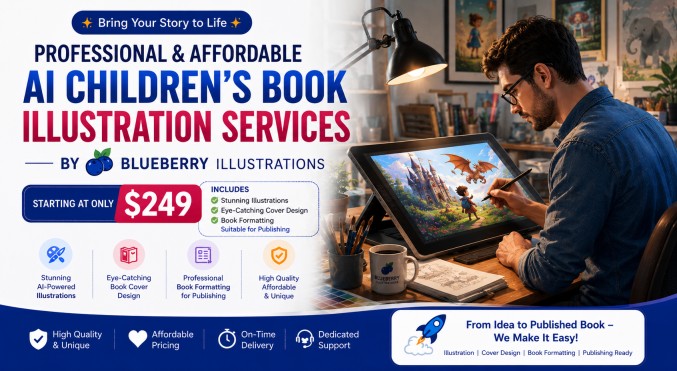
Blueberry Illustrations, for example, offers AI-assisted publishing and illustration packages starting at only $249 for authors seeking affordable professional support during the publishing process. These services combine AI workflow efficiency with human editing, formatting, illustration refinement, and production oversight in order to help authors create more polished and commercially presentable books.

Simultaneous Kindle and paperback publishing frequently requires separate formatting structures, production standards, and distribution preparation. Many independent authors underestimate the technical differences between ebook and print publishing, which often results in formatting inconsistencies, production delays, or commercially unpolished releases.
Professional publishing workflows generally involve coordinated editing, typography management, image optimization, metadata preparation, and print-production verification before publication occurs.
Incorrect Formatting
Formatting inconsistencies remain among the most common production issues within independent publishing. Kindle ebooks rely on digital rendering systems, while paperback books require fixed print layouts with controlled margins, trim sizes, and typography structures.
Improper formatting may negatively affect readability, device responsiveness, and overall reader experience. Professional book publishing services therefore frequently use separate production workflows for ebook and print editions.
Low Resolution Images
Image quality frequently plays a major role in perceived publishing professionalism, particularly within illustrated books, educational publishing, and children’s literature.
Commercial paperback production generally requires high-resolution artwork prepared according to print-industry standards. Many affordable book publishers therefore include image optimization and print verification as part of their production services.
Inconsistent Cover Dimensions
Paperback cover preparation requires precise dimensional calculations based on trim size, page count, bleed settings, and spine width measurements. Even minor measurement inconsistencies may result in print rejection or visibly misaligned covers.
Professional publishing teams typically calculate paperback specifications directly according to Amazon KDP production standards before final export preparation.
Poor Editing
Editorial quality frequently influences both reader retention and marketplace credibility. Grammar inconsistencies, repetitive wording, structural issues, and sentence-flow problems often reduce perceived professionalism regardless of illustration quality or cover presentation.
Professional editorial review generally improves manuscript clarity, structural consistency, and long-term reader engagement.
Professional publishing providers frequently coordinate multiple technical and creative stages within the publishing workflow, including editing, illustration management, formatting, metadata preparation, and distribution setup. This integrated approach generally improves production consistency while reducing technical publishing errors.
Editing and Proofreading
Editorial review represents one of the most important quality-control stages within professional publishing workflows.
Illustration Management
Illustrated books frequently require coordinated production oversight between artists, layout specialists, and formatting teams.
Kindle Formatting
Professional Kindle formatting generally focuses on device compatibility, responsive layout behavior, and optimized digital readability.
Paperback Layout Preparation
Paperback production requires controlled print-layout engineering before final export generation.
Many affordable book publishers therefore provide coordinated publishing packages that simplify the production process for first-time authors, illustrated books, and multi-format publishing projects.
Authors seeking to publish book on Amazon or publish book Kindle editions professionally frequently require coordinated support across multiple production stages. Blueberry Illustrations therefore combines illustration, formatting, editing, and production management into unified publishing workflows designed for independent authors and children’s book creators.
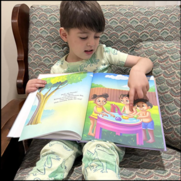


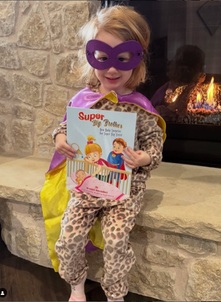
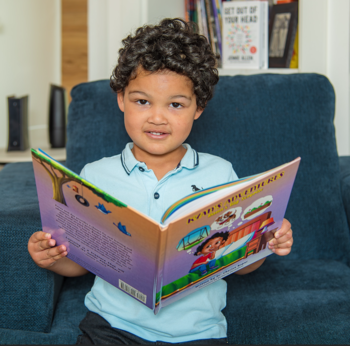
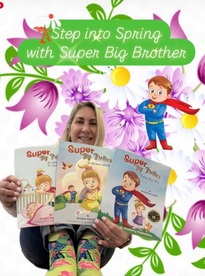
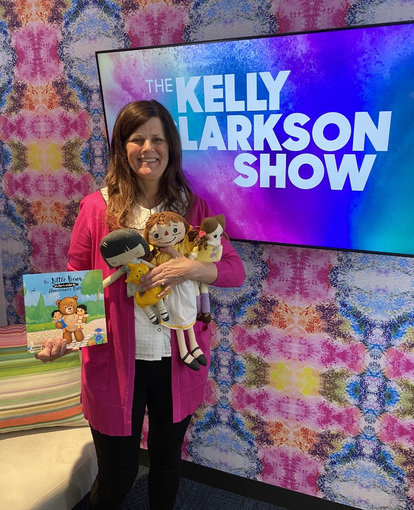


Simultaneous Kindle and paperback publishing has become an increasingly important strategy within modern independent publishing because it allows authors to distribute books across both digital and physical reading markets through a coordinated release structure.
Multi-format publishing frequently improves reader accessibility, strengthens marketplace presentation, and increases long-term discoverability within Amazon’s publishing ecosystem. However, professional-quality results generally require careful management of formatting systems, illustration preparation, editing standards, metadata optimization, and print-production specifications.
Kindle formatting, paperback layout engineering, illustration resolution management, and editorial consistency frequently influence overall publishing quality as much as the manuscript itself. As a result, many independent authors work with experienced publishing professionals before release in order to improve technical stability and marketplace presentation.
Professionally prepared books typically demonstrate stronger visual consistency, cleaner formatting, improved readability, and more commercially polished branding compared to uncoordinated DIY publishing workflows.
As Amazon self publishing continues expanding globally, professional production preparation increasingly represents an important competitive advantage for authors seeking long-term publishing success across both Kindle and paperback formats.
To explore more self publishing tips and resources that can guide you in writing, designing, and publishing your book, click on this link.
Click here to visit our Home Page.
Click here to view the portfolio of children’s book illustrations by Blueberry Illustrations: https://blueberryillustrations.com/childrens-book-illustrationsClick here to explore affordable publishing packages offered by Blueberry Illustrations: https://blueberryillustrations.com/affordable-publishing-packagesClick here to read author testimonials and reviews of Blueberry Illustrations: https://blueberryillustrations.com/book-reviewClick here to view the Amazon book store featuring books published by Blueberry Illustrations: https://blueberryillustrations.com/book-storeClick here to watch videos showcasing Blueberry Illustrations’ publishing and illustration work: https://blueberryillustrations.com/videos