Our Happy
Authors


A Practical Guide to Finding and Choosing the Right Illustrator for Your Book
Hiring a children’s book illustrator involves much more than finding artwork you like. The illustrator must be suitable for your manuscript, target age group, visual direction, project scope, and publishing requirements. For authors, the challenge is therefore not simply finding an artist, but knowing how to evaluate potential illustrators and make a well-informed hiring decision.
A structured hiring process can begin with a clear illustration brief and a shortlist of suitable candidates. From there, authors can evaluate relevant portfolio work, contact illustrators with consistent project information, compare proposals and deliverables, consider a paid sample where appropriate, discuss availability, clarify usage rights, and review the terms of the agreement before commissioning the complete project.
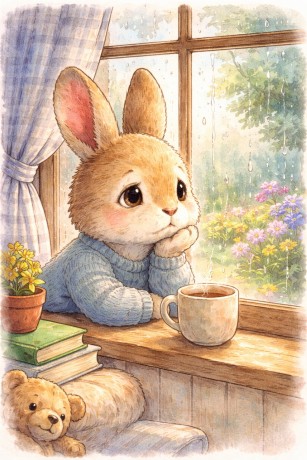
This guide explains how to hire a children’s book illustrator from the initial search through the final selection. It focuses specifically on the decisions authors need to make before hiring, including what information to prepare, where to look for suitable candidates, what to examine in a portfolio, what questions to ask, and what should be clarified before illustration work begins.
Before contacting illustrators, prepare a clear summary of the project. A well-defined brief helps potential candidates understand what you need and makes it easier for you to compare responses on equal terms.
You do not need to make every creative decision before approaching an illustrator, but you should know the basic scope of the book. This reduces vague enquiries and helps illustrators judge whether the project is suitable for their skills, schedule, and availability.
Your initial project brief should include:
If the exact illustration count has not yet been decided, that does not prevent you from beginning the search. However, the scope should become clearer before you compare final proposals or enter into an agreement.
It is also useful to separate essential requirements from preferences. For example, a fixed publication deadline may be essential, while a particular color palette or visual reference may simply indicate a preferred direction. This helps illustrators understand where flexibility exists and where it does not.
The goal at this stage is not to design the book yourself. It is to give shortlisted illustrators enough information to understand the project accurately and respond with relevant questions, availability, and a proposal that reflects the actual scope of work.
Before building your shortlist, determine what you actually want the illustrator to provide. Authors sometimes approach several illustrators with a general request for “illustrations for a children’s book,” but that can mean very different things depending on the project.
Defining the required deliverables at the beginning helps you identify illustrators who can handle the complete scope and later allows you to compare proposals more accurately.
Depending on your book, your requirements may include:
Be especially clear about the difference between illustration and book design. Some illustrators provide artwork only, while others may also offer cover design, text placement, interior layout, or preparation of finished book files. Do not assume these services are included unless they are specifically stated in the proposal.
You should also identify any requirements outside the standard book edition. If you expect to use illustrations for marketing materials, merchandise, educational resources, translated editions, or other purposes, mention this before hiring so that the required deliverables and usage can be discussed clearly.
At this stage, the objective is simply to establish what you are hiring for. Once the scope is defined, you can search for illustrators whose portfolios and services are relevant to those specific requirements rather than comparing candidates who are offering different types of work.
Once your project requirements are clear, the next step is to identify illustrators whose work may be suitable for your book. Rather than searching for the largest possible number of candidates, focus on sources where you can review relevant portfolio work and narrow the search efficiently.
Children’s book illustrators can be found through several channels:
Search with your specific project in mind. If you are creating a picture book for preschool readers, for example, an illustrator with relevant picture-book examples may be a stronger candidate than an artist whose portfolio consists mainly of unrelated commercial artwork.
Do not rely only on the description an illustrator uses for their services. Examine the actual portfolio to determine whether there is evidence of work relevant to children’s publishing, your intended reader age, and the visual demands of your manuscript.
At this stage, you are not trying to choose the final illustrator. The purpose of the search is to build a manageable group of promising candidates who can be evaluated more carefully before you contact them.
After identifying potential illustrators, narrow the list to a smaller group of candidates who appear genuinely suitable for your book. A focused shortlist makes it easier to evaluate portfolios carefully and avoids comparing artists whose experience may not match the requirements of your manuscript.
Do not shortlist an illustrator simply because you like one or two images. Look for evidence that their broader body of work is relevant to the kind of book you are creating.
When creating your shortlist, consider:
Relevant experience does not mean that an illustrator must previously have created a book identical to yours. Instead, look for portfolio examples that demonstrate artistic ability and a visual approach appropriate for the needs of your manuscript. An illustrator may never have worked on your exact subject but may still have the creative skills needed to develop a suitable direction for your book.
At this point, it can be useful to create a shortlist of a few strong candidates rather than contacting dozens of illustrators. Record the portfolio links, relevant examples, availability information, and any questions you want to ask each candidate. This will make the next stage of comparison more organized.
Your shortlist should contain illustrators you would realistically consider hiring. The next step is to examine their portfolios in greater depth to determine whether the quality you initially noticed is supported across a complete body of work.
Once you have identified several potential illustrators, spend time reviewing their portfolios before making contact. The purpose of a portfolio is not simply to decide whether you like an artist’s work. It can also help you determine whether the illustrator’s creative range includes a visual direction that could suit your particular book.
Begin by considering the overall impression of the artwork. Children’s books can vary considerably in mood and presentation, from playful and humorous stories to gentle bedtime books, educational titles, adventures, fantasy stories, and books dealing with more sensitive subjects. Look for examples that suggest the illustrator can create the kind of visual atmosphere your manuscript requires.
When comparing portfolios, consider:
It is also useful to compare several examples rather than making a decision from a single illustration. An illustrator may work in more than one visual style, and reviewing a wider selection can give you a better understanding of the creative possibilities available for your project.
If you find a particular illustration or style that appeals to you, save the reference and mention it when contacting the illustrator. Instead of using broad descriptions such as “colorful,” “cute,” or “realistic,” pointing to specific portfolio examples can make it easier to communicate the direction you prefer.
At the portfolio-review stage, you are not trying to determine every detail of the finished artwork. Your goal is to identify illustrators whose work gives you confidence that an appropriate visual direction can be developed for your manuscript. The shortlisted portfolios can then be considered alongside the illustrator’s proposal, availability, communication, and other hiring factors.
A portfolio shows you the illustrator’s artwork, but reviews and testimonials can provide additional information about what it is like to work with them. Before hiring, look for feedback from authors or publishers who have previously commissioned illustration projects.
Rather than focusing only on an overall rating, read the comments themselves. Look for recurring feedback about communication, reliability, responsiveness to revisions, ability to understand creative direction, and whether projects were completed as expected.
Testimonials are most useful when they describe specific experiences rather than offering only general praise. If an illustrator or illustration service has worked on published books, you can also look at examples of completed projects to supplement what you learn from the portfolio and client feedback.
Reviews should be considered alongside the portfolio, proposal, communication, and other hiring factors. No single testimonial should determine your decision, but consistent feedback from previous clients can provide useful additional confidence when comparing shortlisted candidates.
Once you have narrowed your search to a small group of suitable illustrators, the next step is to contact them with enough information to understand your project. A clear initial enquiry can save considerable back-and-forth and helps each illustrator respond to the same basic requirements.
Avoid sending only a general message asking how much it would cost to illustrate your book. The illustrator will usually need more context before confirming availability or preparing a meaningful proposal.
Your enquiry should ideally include:
If your manuscript is complete, you may also provide it for review or ask whether the illustrator would like to see it before preparing a proposal. Reading the story can give an illustrator a clearer understanding of its characters, settings, tone, and overall illustration requirements.
When referring to visual preferences, specific examples are usually more useful than broad descriptions. If you discovered a particular style in the illustrator’s portfolio that appeals to you, identify that example when making your enquiry. You can also provide a small number of reference images to communicate the general mood or direction you have in mind.
Try to provide substantially the same project information to every illustrator on your shortlist. This becomes particularly important when you begin comparing responses because differences between proposals are easier to understand when each candidate has been given the same starting brief.
The initial contact is also your first opportunity to see how each illustrator responds to the project. Relevant questions about the manuscript, scope, visual direction, deliverables, or schedule can help clarify the proposal before you move to the next stage of the hiring decision.
Once you receive responses from your shortlisted illustrators, compare the proposals carefully rather than making a decision from the quoted amount alone. Two proposals may appear to cover the same book while actually including different amounts of artwork, services, revisions, rights, or final deliverables.
Start by checking each proposal against the project brief you originally provided. This helps you determine whether every candidate has understood and quoted for approximately the same scope of work.
When comparing proposals, look at:
Create a simple comparison using the same criteria for every candidate. This makes important differences easier to identify. For example, one proposal may include cover artwork while another does not, or one illustrator may include a different revision allowance or set of final files.
If part of a proposal is unclear, ask for clarification before comparing it with the others. Terms such as “complete illustration package” or “publishing-ready artwork” can mean different things, so it is better to confirm exactly what will be supplied.
Price is naturally part of the decision, but this stage is primarily about understanding what each proposal offers for your particular project. A meaningful comparison considers the complete scope, deliverables, schedule, rights, and suitability of the illustrator rather than treating the lowest quotation as automatically equivalent to the others.
Once you understand the proposals clearly, you can reduce your shortlist further and move on to the specific questions that should be resolved before making a final hiring decision.
Before making your final choice, ask the illustrator a focused set of questions about the proposed project. The purpose is to confirm important details that may not be obvious from the portfolio or initial quotation and to make sure both sides have the same understanding before work begins.
Useful questions to ask include:
You may already have answers to some of these questions in the illustrator’s proposal or agreement. In that case, there is no need to ask them again. Instead, concentrate on anything that remains unclear or could materially affect your decision.
Pay attention not only to the answers but also to how clearly the illustrator communicates them. A professional response should help you understand what you are commissioning, what you will receive, and what will be expected from you during the project.
You should finish this stage with a clear understanding of the proposed arrangement. Any significant uncertainty about scope, deliverables, schedule, revisions, rights, or payment terms should be resolved before you formally hire the illustrator.
A sample illustration can be useful when you have narrowed your search but want additional confidence before committing to a complete children’s book project. It gives you an opportunity to see how an illustrator interprets something specific from your manuscript rather than relying only on existing portfolio examples.
A sample is particularly useful when your book has important recurring characters or when you have a particular visual direction in mind. Instead of requesting a random illustration, choose a sample that helps you evaluate something important to your final hiring decision.
A useful sample might help you assess:
Before requesting a sample, agree on what will be created and whether the sample is a sketch, character concept, or finished illustration. This prevents you and the illustrator from having different expectations about the amount of work involved.
Custom sample artwork should generally be treated as professional commissioned work rather than as a request for several illustrators to create unpaid artwork in competition for the project. If a sample fee applies, confirm the amount and what will be delivered before the work begins.
You should also avoid expecting the sample to answer every question about the complete book. It is one additional piece of information to consider alongside the illustrator’s portfolio, proposal, availability, communication, and project terms.
If the portfolio already gives you enough confidence and the other hiring details are clear, a sample may not be necessary. The decision should depend on the size of the project, the information already available to you, and whether a custom example would genuinely help you choose between shortlisted candidates.
Before making the final commitment, review the written agreement carefully. It should clearly identify the artwork being commissioned, expected deliverables, project schedule, revision terms, payment arrangements, and the rights included with the illustrations.
In particular, make sure you understand how the finished artwork may be used for your book and related purposes. Copyright ownership and illustration licensing can involve separate considerations, so these terms should be clarified before the project begins rather than assumed.
If you plan to use the artwork beyond the original book, discuss those requirements before signing the agreement. More complex questions about copyright, licensing, reproduction rights, merchandise, translated editions, and other uses should be considered separately from the basic illustrator-selection process.
Before making the final hiring decision, consider how well communication has worked during your initial discussions. A children’s book project usually involves many creative decisions, so the ability to exchange ideas clearly can be just as important as finding artwork that suits your manuscript.
Pay attention to whether the illustrator understands your project brief, responds clearly to questions, and asks for clarification when something is uncertain. Good communication does not mean that an illustrator must agree with every suggestion. An experienced professional may recommend alternatives when they believe another visual approach would work better for the book.
During your early communication, consider:
Creative compatibility is also worth considering. You should feel comfortable explaining what you want while remaining open to professional artistic input. The strongest working relationship is usually one in which the author can communicate the needs of the story and the illustrator has enough creative freedom to interpret those needs visually.
By this stage, you should have information from the portfolio, project proposal, initial discussions, and possibly a sample illustration. Communication and professional fit provide another important piece of the overall picture before you make your final selection.
After reviewing portfolios, discussing your project, comparing proposals, and evaluating communication, you should have enough information to make the final hiring decision. At this stage, avoid returning to a simple comparison based on one factor. The strongest choice is the illustrator who provides the best overall fit for your particular book.
Review your shortlisted candidates together and consider how well each one meets the requirements you established at the beginning of your search.
Your final decision can take into account:
It can be useful to return to your original project brief at this point. The illustrator you initially preferred based on portfolio images may not necessarily be the candidate who best satisfies the complete set of requirements once availability, deliverables, communication, and project terms are considered.
Once you have selected an illustrator, confirm the agreed scope and terms in writing before commissioning the complete project. Both you and the illustrator should have a clear understanding of what is being created, what will be delivered, and the principal terms under which the project will proceed.
A systematic selection process does not remove the creative judgment involved in choosing an illustrator. Instead, it combines that creative judgment with practical information, helping you choose an illustrator who is appropriate not only for the look of your book but for the project as a whole.
Before confirming your choice, use this checklist to make sure you have covered the important parts of the hiring decision. Not every project will have identical requirements, but the main details should be clear before the complete illustration work begins.
If several of these points are still uncertain, resolve them before making the final commitment. A good hiring decision is not based on portfolio appeal alone; it comes from understanding both the creative fit and the practical terms of the project.
When should I hire an illustrator for my children’s book?
It is generally best to begin the final hiring process when your manuscript is reasonably stable and you have a clear idea of the book you intend to create. Major changes to the story after illustration work begins can change the number of scenes, characters, or illustrations required.
What should I send an illustrator when asking for a quote?
Provide enough information for the illustrator to understand the project, including the type of book, intended reader age, manuscript length, approximate page and illustration requirements, number of important characters, cover requirements, preferred visual direction, and expected schedule.
How many illustrators should I contact before choosing one?
There is no ideal number. A small, carefully selected shortlist is usually more useful than contacting a large number of artists. Focus on illustrators whose portfolios appear genuinely suitable for your manuscript, then compare their responses and proposals using the same project requirements.
Should I ask for a sample illustration before hiring?
A sample can be useful when you want to see how a shortlisted illustrator interprets a particular character or visual direction before committing to the complete project. A custom sample should generally be treated as commissioned work and may not be necessary when the existing portfolio already provides enough information to make a confident decision.
What should I look for when choosing between two illustrators?
Compare the complete fit rather than one factor alone. Consider the suitability of the artwork for your book, understanding of your requirements, proposed deliverables, availability, communication, project terms, and any sample work you have commissioned.
Should I sign an agreement before illustration work begins?
Yes. Before commissioning the complete project, the principal terms should be documented in writing. The agreement should make the scope, deliverables, schedule, revisions, payment arrangements, and applicable illustration rights clear to both parties.
What final files should I ask the illustrator to provide?
The required files depend on how the artwork will be used. Before hiring, confirm what final files will be supplied and whether their dimensions, resolution, and format are appropriate for your intended book editions and other agreed uses.
Hiring the right children’s book illustrator is a process of finding the best match between your manuscript and the professional you choose to work with. A strong portfolio is important, but the final decision should also take into account the illustrator’s understanding of your project, proposed deliverables, availability, communication, and the terms agreed before work begins.
Starting with a clear project brief makes the entire selection process easier. It allows you to search more effectively, create a relevant shortlist, compare illustrators using consistent criteria, and resolve important questions before committing to the complete book.
Once you have chosen an illustrator, the focus can move from selection to collaboration and the development of the artwork for your book.
If you are currently searching for professional illustration support, explore our Children’s Book Illustration Services to view illustration styles, portfolio examples, and information about working with Blueberry Illustrations.
If you would like to understand how authors and illustrators work together after the hiring decision, read our Authors and Illustrators Publishing Guide.
You can also explore our Types of Illustrations for Children’s Books if you are still considering the visual direction that may be appropriate for your story.
For authors who are unsure how much artwork their manuscript may require, our Guide to How Many Illustrations a Children’s Book Needs explains how illustration requirements can vary according to the book and its structure.
