Our Happy
Authors


A Comprehensive Guide for Authors
The world of children’s book illustration continues to evolve in 2026, shaped less by fleeting visual fashions and more by storytelling clarity, emotional resonance, and production consistency. While individual freelance illustrators still play an important role in early concepts and niche projects, many of today’s defining styles are emerging from illustration firms, book illustration companies, and studio-led workflows that blend creative direction with market research and production expertise.

This shift is influencing everything from children’s story illustration and children’s literature illustration to textbook illustrations, editorial illustration, and IT book illustrations used in education-focused publishing. This article explores the dominant illustration styles, design principles, and production standards shaping children’s illustrated books in 2026, with a clear focus on what endures beyond short-term trends.
Children’s book illustration trends do not emerge randomly. In children’s publishing, trends rarely appear overnight. They evolve through storytelling needs, reader psychology, reader behavior, educational research, publishing economics, print constraints, and advances in production technology—especially within illustration for publishing and structured publishing illustration workflows. In 2026, successful illustration styles are less about visual novelty and more about how effectively images support narrative flow, emotional understanding, and age-appropriate engagement.
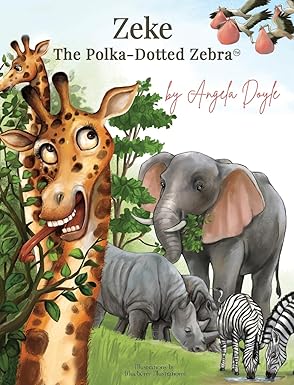
One of the strongest influences shaping illustration trends is the emphasis on storytelling clarity. Illustrations must guide young readers through the story without overwhelming them, ensuring characters, environments, and actions are instantly recognizable. This has led to cleaner compositions, consistent character design, and carefully controlled color palettes that support mood rather than distract from the text.
Market research and audience insights also play a critical role. Publishers and illustration studios study reading behavior, classroom usage, and parental expectations to refine visual approaches. As a result, modern illustration trends focus more on emotional connection—expressive faces, relatable body language, and inclusive representation—than on purely artistic experimentation.
Professional illustration studios increasingly shape how these trends are defined and applied. Unlike individual, one-off projects, studio-led environments influence trends because they:
These studio workflows encourage illustration systems rather than isolated visual styles. Illustrations are designed to remain readable, emotionally clear, and visually consistent across an entire book or series.
Production requirements further shape trend adoption. Many children’s books are now developed for print, eBooks, and educational platforms simultaneously. This has increased demand for illustration styles that reproduce reliably, maintain quality at different sizes, and remain consistent across formats.
Rather than chasing short-lived visual trends, illustration studios refine durable systems that support readability, emotional comprehension, and print reliability—key requirements for illustrated book publishers and illustration publishing companies in 2026 and beyond.
In 2026, layout design and visual storytelling are no longer treated as secondary elements in children’s books. They function as structural tools that shape how young readers experience a story, control pacing, and process meaning. Strong layout standards help integrate illustration and text while supporting reader comprehension, especially for early readers and learning-focused books.
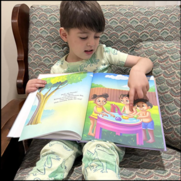


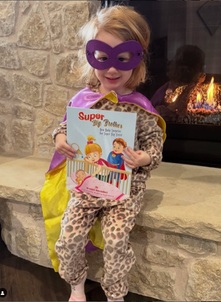



In 2026, color planning in children’s book illustration is highly intentional and strategically planned from the earliest stages of production. Color is no longer used simply for visual appeal; it plays a direct role in emotional storytelling, readability, and print reliability.
These practices are now standard across illustration firms, professional illustration studio teams, and illustration agency workflows, where production reliability is as important as artistic quality.
Illustrations for this age group are commonly used in children’s story illustration and early board books. Visuals are designed to support basic recognition, emotional safety, and short attention spans.
This age range represents the core market for children’s literature illustration. Readers begin to interpret emotions, relationships, and story logic more deeply.
Illustrations for this group shift toward supporting comprehension rather than guiding every moment of the story. Visuals are often used selectively.
Often associated with middle-grade books, illustrations here are used sparingly and strategically.
In young adult publishing, illustration plays a subtle but powerful role, often focused on covers and occasional interior elements.
While freelance illustrators often help introduce emerging styles, illustration firms and book illustration companies determine which approaches survive market testing and become long-term standards.
These illustration companies offer:
As a result, illustration companies are often preferred by authors looking to hire an illustrator for a book, buy illustration services, or find an illustrator for professional publishing projects that require reliability, scalability, and long-term value.
In children’s publishing, illustration trends can be divided into those that support long-term value and those that quickly feel outdated. Publishers increasingly evaluate illustration choices based on durability, reusability, and narrative relevance across illustration publishing and publishing illustration channels.
For publishers, longevity matters. Illustration that strengthens storytelling and remains effective across formats and reprints consistently outperforms short-lived visual trends.
In 2026, successful book illustration is defined by balance. Creativity remains essential, but it must be paired with discipline, structure, and a clear understanding of publishing realities. Whether authors work with illustrators for hire, illustration agency representation, or full illustration studio teams, knowing what constitutes publishing-grade illustration is no longer optional.
Projects involving paid illustrations, illustrations for a book, or decisions to hire an illustrator for a book benefit significantly from studio-level processes. Structured workflows help ensure visual consistency, controlled revisions, print readiness, and long-term usability—advantages that isolated, one-off execution often cannot reliably deliver.
Professional illustration studios play a critical role in helping books remain relevant beyond short-term trends. Studios such as :contentReference[oaicite:0]{index=0} operate across book illustration services, children’s illustrated books, illustration for publishing, and structured production workflows.
By combining art direction, production planning, and quality control, professional studios support authors, illustration publishers, and illustration publishing companies in creating books designed to endure well after trends fade.
To explore more self publishing tips and resources that can guide you in writing, designing, and publishing your book, click on this link.
Click here to read author testimonials and reviews of Blueberry Illustrations: https://blueberryillustrations.com/book-reviewClick here to view the Amazon book store featuring books published by Blueberry Illustrations: https://blueberryillustrations.com/book-storeClick here to watch videos showcasing Blueberry Illustrations’ publishing and illustration work: https://blueberryillustrations.com/videos