Our Happy
Authors


A Comprehensive Guide for Authors
Every year, thousands of authors publish books on Amazon with excitement, hope, and a deeply personal dream. Some are parents turning bedtime stories into real books. Some are teachers creating meaningful stories for children. Others are first-time writers who have quietly carried an idea in their hearts for years and finally decide it is time to share it with the world.

But after the book finally goes live, many authors face an unexpected and disappointing reality. The book receives very few clicks, sales move slowly, and readers seem to pass over it completely. Many authors begin questioning themselves and wondering whether their story simply was not good enough.
In many situations, the story itself is not the problem at all.
The challenge often comes from how the book is presented, positioned, illustrated, formatted, and prepared for Amazon’s highly competitive marketplace. Amazon is not just a publishing platform; it functions much like a visual storefront. Readers do not experience your manuscript first. They see a small cover thumbnail, a title, a description, a preview, and a price while your book competes beside hundreds of others in only a few seconds of attention.
That is where an experienced amazon self publishing company can create a meaningful advantage. Professional publishing support is about far more than simply uploading files. It involves understanding how readers make buying decisions, what creates trust, how strong visual presentation influences emotions, and how a book can stand out in a crowded marketplace.
At Blueberry Illustrations, we help authors create polished and emotionally engaging books through stunning customized illustrations, AI-assisted illustration packages, book editing services, professional cover design, formatting, and Amazon publishing support. Our goal is simple: helping authors transform ideas into books that feel professional, connect with readers, are affordable, and are fully prepared for real publishing success.
One of the biggest misconceptions many first-time authors have is believing that a meaningful story automatically creates book sales.
The thinking seems logical:
"If the story is beautiful, readers will naturally discover it."
But Amazon rarely works that way.
Readers do not experience your story first. They experience your presentation first.
Before someone reads your opening sentence, they make dozens of small decisions within only a few seconds:
These decisions happen extremely quickly, often without readers consciously realizing it.
Amazon functions less like a traditional bookstore and more like a highly competitive visual marketplace. Every book competes for attention beside hundreds or even thousands of alternatives. A customer scrolling through Amazon can see dozens of book thumbnails in seconds. That means authors are not only competing with books in their category. They are competing for attention itself.
This becomes even more important for children's books because the buyer and the reader are often not the same person.
A child may eventually read the story, but parents, grandparents, teachers, librarians, and gift buyers usually make the purchasing decision. These buyers are evaluating far more than story quality alone.
They are subconsciously asking questions such as:
Even strong stories can struggle if visual presentation creates hesitation. A cover that looks crowded, inconsistent character illustrations, weak formatting, incorrect text placement, poor font choices, or confusing layouts can reduce trust before readers ever reach page one.
This is why successful publishing involves much more than writing a manuscript. Strong books are built through multiple layers working together:
This is also why professional book publishing services often make a meaningful difference for authors. The goal is not simply uploading files to Amazon. The goal is creating a complete reading experience that immediately communicates quality, builds trust, attracts attention, and encourages readers to click, explore, and ultimately buy.
Many self-published books do not struggle because the ideas are weak. In many cases, the stories themselves are meaningful, creative, and written with genuine passion. The challenge often appears in the execution around the story.
Readers rarely analyze books like publishing professionals. They do not consciously examine typography, interior layouts, image resolution, or print specifications. Instead, they react emotionally to the overall experience.
If something feels slightly off, readers notice it immediately even if they cannot explain why.
Individually, these may seem like small details. Together, they quietly influence trust. Readers often make decisions based on feeling rather than technical knowledge. They may never say, “The typography hierarchy is incorrect,” or “The trim setup feels wrong,” but they may think, “Something about this book does not feel polished.”
That small moment of hesitation matters because on Amazon readers have endless alternatives available. A few seconds of uncertainty can easily become a lost click, a missed sale, or a reader moving on to another book.
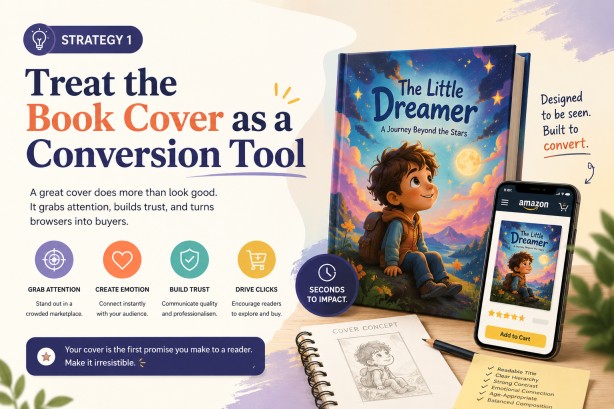
In Amazon publishing, a book cover serves a purpose that extends beyond visual appearance alone. While many authors view cover design primarily as an artistic element of the publishing process, the cover also functions as an important part of how readers make purchasing decisions. Before readers know anything about the writing quality, story structure, or characters, the cover becomes the first interaction between the book and its audience.
Digital marketplaces operate differently from traditional bookstores. In a physical bookstore, readers may pick up a book, turn pages, read the back cover, and spend several minutes deciding whether the content interests them. On Amazon, however, readers frequently encounter books as small thumbnail images displayed beside many competing titles. Because of this, visual communication often occurs within only a few seconds.
Effective covers usually communicate several important pieces of information immediately:
For children's books, visual communication becomes especially important because the person reading the book and the person purchasing the book are often different individuals. Parents, grandparents, teachers, and gift buyers frequently make decisions based on emotional response and perceived quality. Small visual choices can influence those decisions more than many authors realize.
Professional cover design generally considers several technical and visual elements simultaneously:
A highly detailed illustration may appear visually attractive when viewed at full size, but if important elements become difficult to recognize in Amazon search results, the cover can lose effectiveness. Successful covers are therefore designed not only as artwork but also as communication tools intended to attract attention and encourage readers to explore the book further.
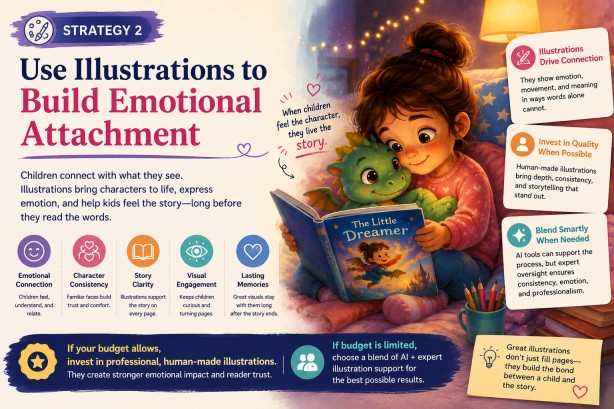
Children’s books are different from many other types of books because children often connect with images before they fully connect with words. Long before a child understands plot structure or reading techniques, they begin responding to expressions, colors, characters, and visual moments that make them feel curious, happy, safe, or excited.
Illustrations therefore serve a role that extends beyond decoration. Strong book illustrations become part of the storytelling process itself. They help communicate personality, emotion, movement, humor, and atmosphere while also helping children follow the story naturally from page to page.
Children frequently form attachments to visual familiarity. Repeated exposure to the same characters, recognizable facial expressions, and consistent visual details helps create a sense of connection and comfort during the reading experience.
Professional Children’s Book Illustration Services generally pay attention to several important storytelling elements:
Modern illustration technology, including AI-assisted workflows, can help accelerate parts of the creative process and reduce production costs. However, successful children's books usually require more than image generation alone. Character consistency, emotional storytelling, visual continuity, and scene development often require professional guidance and creative oversight.
Without expert direction, independently created illustrations can sometimes produce subtle inconsistencies such as changing facial features, shifting proportions, clothing differences, or emotional expressions that do not fully align with the story. Readers may not consciously identify these details, but children often notice when characters begin feeling different from page to page.
For this reason, many authors combine modern illustration tools with experienced illustrators, designers, and publishing professionals who can shape the images into a complete reading experience. The goal is not simply to create attractive pages, but to create characters and visual moments that children remember long after the book has been closed.
One of the most common misconceptions among first-time authors is assuming that visually attractive artwork automatically creates effective book illustrations. While attractive artwork can capture attention, book illustration serves a broader purpose within the reading experience.
Commercial illustration is designed not only to create appealing images but also to support storytelling and publishing requirements simultaneously. Every illustration must work together with text, page design, character development, and reader flow across the entire book.
An image may look beautiful when viewed independently but still create problems inside a published book if:
Professional story book illustrators generally plan illustrations with the finished book in mind rather than designing isolated images page by page. Decisions involving composition, text placement, visual pacing, and page transitions are often considered early in the process because these elements directly affect readability.
This is one reason experienced book illustration companies and illustration firms often think beyond individual artwork and focus on the complete reading experience, including page layouts, trim size, bleed settings, typography, and final print quality.
Formatting is one of the most overlooked parts of self publishing because many first-time authors assume it simply involves placing text and illustrations onto pages. In practice, formatting influences how readers experience the entire book. Even strong stories and beautiful illustrations can lose impact if the pages feel uncomfortable or difficult to follow.
Readers may not consciously notice formatting decisions, but they often notice the effect those decisions create. Small details can influence whether pages feel clean and professional or crowded and distracting.
Effective formatting helps improve:
Formatting becomes especially important in children's books because reading often involves both visual and spoken interaction. A child may be following illustrations while a parent, teacher, or grandparent reads aloud. Text and images therefore need to work together naturally without competing for attention.
Professional book formatting generally includes several technical and design considerations:
A beautifully illustrated book can still create a weaker reading experience if text feels crowded, pages appear visually unbalanced, or important elements become difficult to read. For this reason, professional book publishing services often focus not only on preparing files for upload but also on protecting the quality and readability of the finished book.
Even the most beautifully illustrated and professionally designed book still faces one important challenge: readers need to be able to find it. A book cannot generate clicks, sales, or reviews if it does not appear in searches relevant to its audience.
Many first-time authors assume keywords simply involve adding popular words into an Amazon listing. In practice, effective keyword selection requires understanding how real readers search. Keywords are most effective when they reflect the thoughts, questions, and needs of people actively looking for a specific type of book.
Most buyers do not search using publishing terminology. Parents, teachers, grandparents, and gift buyers usually search using practical needs or emotional goals rather than technical descriptions.
For example, readers may search using phrases such as:
Authors should spend time researching how readers actually search before publishing a book. Looking at Amazon search suggestions, reviewing successful books in similar categories, studying titles and subtitles used by competing books, and understanding audience behavior can provide valuable information.
Categories are equally important because they help Amazon understand where a book belongs within its marketplace. Selecting categories that are too broad may place a book into highly competitive areas, while more relevant categories can improve visibility among readers already interested in that type of content.
The objective is to help readers locate the book easily within Amazon searches while also communicating the book’s intended audience, purpose, and overall reading experience in a clear and understandable way.
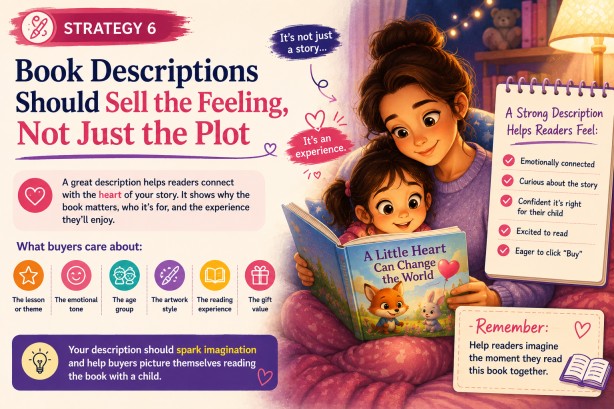
Many first-time authors write Amazon book descriptions as short summaries of the plot. While plot information can be useful, readers often make purchasing decisions based on more than simply knowing what happens in the story.
For children's books especially, buyers are frequently purchasing an experience rather than only purchasing content. Parents, grandparents, teachers, and gift buyers often want to understand how the book may fit into a child's reading routine and what type of emotional or educational value it may provide.
Strong book descriptions therefore usually communicate information beyond basic story events. They help readers understand important details such as:
Readers frequently make decisions based on emotional connection. A parent may imagine a bedtime reading moment, a teacher may imagine a classroom activity, and a grandparent may imagine giving a meaningful gift. Effective descriptions help readers picture these experiences naturally.
For this reason, successful book descriptions often explain not only what happens in the story, but also why the story may matter to the reader and the experience it is intended to create.
Join Oliver, a curious little fox, on a heartwarming adventure through the Whispering Woods as he discovers that kindness can appear in the smallest moments.
When Oliver sets out on a simple walk through the forest, he never expects to meet new friends, solve tiny problems, and learn that helping others can create surprising acts of friendship along the way.
Filled with colorful illustrations, lovable characters, and gentle lessons, this charming picture book offers a warm reading experience perfect for bedtime, classrooms, and family story time.
Perfect for young readers who love animal adventures, meaningful stories, and memorable characters they will want to visit again and again.
Many first-time authors assume editing is limited to correcting spelling mistakes and grammar errors. While technical corrections are important, editing for children's books often extends much further because young readers experience stories differently from adult readers.
Children’s books are frequently read aloud by parents, teachers, grandparents, and caregivers. Because of this, sentence rhythm, pacing, repetition, and emotional clarity can strongly influence how naturally the story flows during reading sessions.
A sentence may be grammatically correct but still feel too long for a younger audience. A page may contain more text than children can comfortably follow. Certain scenes may need stronger emotional moments, while repeated phrases can help make the story feel memorable and engaging.
Professional editing can strengthen several important areas:
Illustrations and text work together within children's books. Even beautiful artwork can lose impact if the words feel difficult to follow, emotionally flat, or disconnected from the visual storytelling experience.
Production issues are often discovered only after a book has been uploaded to Amazon KDP or after the first printed proof arrives. At that stage, authors may notice problems that were difficult to identify earlier during the design process.
Common issues can include blurry images, text placed too close to page edges, colors appearing different in print, borders being trimmed unexpectedly, or cover layouts not fitting correctly around the spine.
These problems generally occur because books prepared for digital viewing are not always prepared according to professional print requirements.
Important production considerations commonly include:
Publishing platforms such as Amazon KDP, IngramSpark, and other print services may use different specifications and file requirements. A cover or interior file created for one platform may not automatically perform correctly on another, which is why production preparation should be planned according to the final publishing destination.
AI tools have introduced new possibilities within publishing by making content creation faster and more affordable for many authors. They can assist with idea generation, illustrations, design workflows, and early-stage creative development.
However, generating images alone does not automatically create a complete children's book. Successful books typically require consistent storytelling, emotional continuity, visual planning, and attention to publishing requirements.
Without careful direction, independently created AI illustrations may sometimes produce challenges such as:
AI can therefore function as a valuable creative tool, but tools still benefit from guidance and publishing experience. Authors working with limited budgets may find AI-assisted workflows helpful, while authors seeking highly customized artwork may prefer fully illustrated projects.
Ultimately, readers rarely focus on how a book was created. Whether a project uses traditional illustration, AI-assisted workflows, or a combination of both, readers usually respond to the same qualities: consistency, emotional connection, visual appeal, and a strong reading experience.
At Blueberry Illustrations, we use both traditional creative workflows and AI-assisted solutions depending on an author's goals, budget, and project requirements. Our focus is not simply creating images, but helping authors build books that maintain character consistency, emotional storytelling, professional formatting, and publishing standards that support a stronger reading experience.
Many authors approach publishing one book at a time without considering how future titles may connect with one another. While a single book can create an individual sale, long-term author growth often benefits from consistency that readers can recognize and remember.
This becomes particularly important for children's books, educational titles, character-driven stories, and book series where readers may return for additional books over time. Children frequently build familiarity with characters and visual styles, while parents and buyers often become comfortable purchasing books from authors whose work feels recognizable and reliable.
Branding in publishing extends beyond logos or author names. Within books, branding often refers to the overall visual and reading experience that remains familiar across multiple titles.
Elements that commonly contribute to consistent branding include:
Consistency can help create familiarity for readers. When readers enjoy one book and later encounter another title with recognizable visual elements, they may already have a level of confidence and trust established from earlier experiences.
For authors planning multiple books, thinking beyond an individual title can be valuable. Creating a recognizable visual world, maintaining consistency across characters, and developing a cohesive presentation style can help support future releases and strengthen long-term reader relationships.


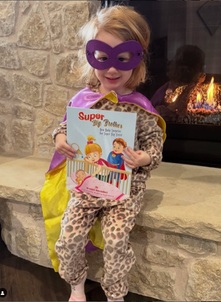
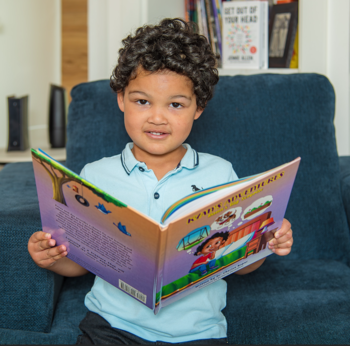
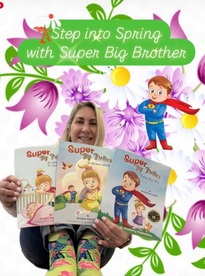
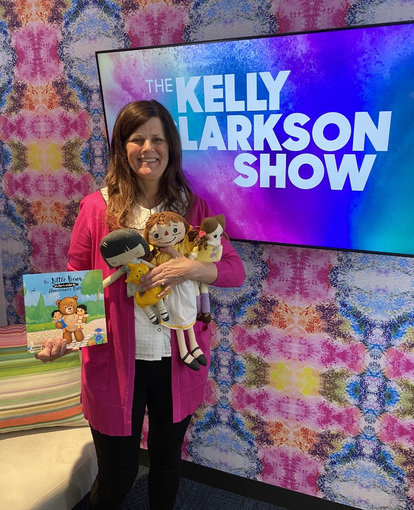


Many authors searching for information on how to publish children’s story books or how to publish a children’s novel often begin by focusing immediately on upload steps and publishing platforms. While technical publishing steps are important, successful books are usually developed long before files are uploaded.
Publishing a children's book generally involves more than preparing a manuscript and making it available online. The strongest books are often planned as complete reading experiences where storytelling, illustrations, design, and reader expectations work together.
Before beginning the publishing process, authors may benefit from considering several important questions:
Publishing therefore becomes more than a technical process. It represents the final stage of combining storytelling decisions, visual presentation, reader expectations, and production planning into a finished book experience.
Publishing on Amazon has become more accessible than ever before, but creating a book that connects with readers often requires attention to more than simply uploading files.
Readers frequently make decisions within only a few moments. Cover design, illustrations, formatting, descriptions, readability, and overall presentation can all influence how a book is perceived before readers experience the story itself.
Strong stories often benefit from equally strong presentation. Thoughtful illustrations can help create emotional connection, effective formatting can improve the reading experience, and careful preparation can help books feel more complete and professional.
At Blueberry Illustrations, we have worked with authors across thousands of book projects and have seen that successful publishing usually comes from combining creativity with preparation. Whether authors choose customized illustrations, AI-assisted workflows, formatting support, editing, or complete publishing assistance, the goal remains the same: helping transform meaningful ideas into polished books prepared for real readers.
To explore more self publishing tips and resources that can guide you in writing, designing, and publishing your book, click on this link.
Click here to visit our Home Page.
Click here to view the portfolio of children’s book illustrations by Blueberry Illustrations: https://blueberryillustrations.com/childrens-book-illustrationsClick here to explore affordable publishing packages offered by Blueberry Illustrations: https://blueberryillustrations.com/affordable-publishing-packagesClick here to read author testimonials and reviews of Blueberry Illustrations: https://blueberryillustrations.com/book-reviewClick here to view the Amazon book store featuring books published by Blueberry Illustrations: https://blueberryillustrations.com/book-storeClick here to watch videos showcasing Blueberry Illustrations’ publishing and illustration work: https://blueberryillustrations.com/videos