Our Happy
Authors


A Comprehensive Guide for Authors
The rise of AI-generated art has significantly changed how authors approach children’s book illustration. Today, many writers exploring book publishing services or researching how to publish children's story books are turning to AI tools as a faster and more affordable solution.
At the same time, professional author illustrators and illustration agencies continue to play a crucial role in creating high-quality, emotionally engaging books that stand out in a competitive market.
So the real question is:
Can AI truly replace human illustrators when it comes to storytelling, creativity, and publishing success?
In this guide, we compare AI and human illustrators across key factors such as creativity, storytelling, cost, consistency, and long-term value—helping you choose the right approach whether you're creating a picture book or working with a professional illustration agency.
AI illustration tools use machine learning models trained on vast datasets of images to generate visuals from text prompts. For authors exploring book publishing services or learning how to publish children's story books, these tools offer a quick way to visualize ideas without immediately hiring an illustrator company or working with an illustration agency.
AI tools can create detailed images within seconds, making them useful during the early stages of creating a picture book—especially when testing character concepts, scene compositions, or different art styles. For authors working through initial ideas before investing in book publishing services or hiring an illustration agency, this speed can be extremely helpful.
However, AI does not “understand” your story in the way human author illustrators or professional book illustration companies do. It generates images based on patterns, not narrative intent, which creates limitations when developing a complete children’s book.
For example, in a typical storybook, a character may go through emotional changes—happy, scared, excited, or thoughtful—across different pages. A human illustrator company carefully plans these transitions to match the story’s pacing. AI, on the other hand, treats each image as a separate request, often resulting in inconsistent expressions, clothing details, or even facial features.
Another important limitation appears in scene continuity. In professional illustration studios, elements like background settings, lighting, and perspective are intentionally maintained to create a smooth visual flow. AI-generated images can struggle to maintain this continuity, which can make the final book feel disconnected.
This becomes especially critical when publishing through platforms like Amazon publishing or working with self publishing companies Amazon, where quality, consistency, and reader experience directly impact reviews and sales.
In short, while AI is excellent for generating ideas quickly, it lacks the structured visual storytelling process that is essential for a polished, publication-ready children’s book.
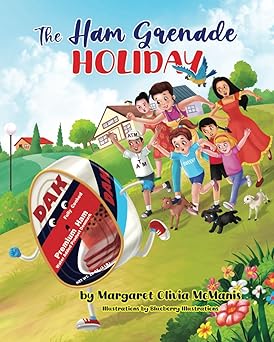
In simple terms, AI is a powerful support tool—but it lacks the creative direction, storytelling ability, and consistency required for professional children’s book illustration.
Human illustration is not just about creating attractive images—it is a structured creative process that translates your story into a complete visual experience. Professional author illustrators, illustration agencies, and book illustration companies approach each project with a deep understanding of storytelling, reader psychology, and publishing standards.
When you work with an illustrator company or illustration studio, the process typically begins with character development. This includes defining how characters look, move, and express emotions consistently across every page—something that is essential when creating a picture book.
Illustrators also create style guides before final artwork begins. These guides ensure that character proportions, colors, clothing, and visual details remain consistent throughout the book, which is critical for maintaining a professional look.
From there, illustrators plan the visual flow of the book. This involves page-by-page composition, camera angles, background design, and pacing—ensuring that each illustration supports the text rather than just decorating it. This level of planning is what makes a book ready for professional publishing, including platforms like Amazon publishing.
Another key advantage is collaboration. Unlike AI tools, human illustrators and illustrator agents work closely with authors, allowing revisions at every stage—from rough sketches to final artwork. This ensures that the final result aligns with your vision and meets the quality standards expected by book publishing services.
They carefully consider:
However, this investment directly impacts how your book performs in the market. High-quality illustration improves reader engagement, increases the chances of positive reviews, and helps your book stand out whether you are working with book publishing companies or self publishing companies Amazon.
AI and human illustrators differ significantly in creativity, storytelling, consistency, cost, and publishing quality. While AI offers speed and affordability, human illustrators provide originality, emotional depth, and professional-quality artwork that is essential for successful children’s books.
AI and human illustrators differ in creativity, storytelling, consistency, cost, and overall publishing quality. While AI tools offer speed and affordability, human illustrators provide originality, emotional depth, and professional-quality artwork that is essential for successful children’s books.
The table below gives a quick comparison to help you decide which option is better for your children’s book.
| Factor | AI Illustration | Human Illustration |
|---|---|---|
| Creativity | Based on existing patterns | Original and imaginative |
| Storytelling | Generates isolated images | Builds a complete visual narrative |
| Character Consistency | Often inconsistent | Highly consistent across pages |
| Revisions | Requires regeneration | Precise and flexible edits |
| Speed | Very fast | Time-intensive process |
| Cost | Low upfront cost | Higher investment |
| Publishing Quality | May lack consistency | Professional and market-ready |
For most children’s books, human illustrators are the better choice because they combine creativity, storytelling, and consistency in a way that AI tools currently cannot match.
While AI illustration can be useful for brainstorming ideas or early concept development, it struggles with maintaining character consistency, emotional depth, and visual storytelling across multiple pages. These elements are essential when creating a picture book that engages young readers.
Professional author illustrators, illustration agencies, and book illustration companies follow a structured process that ensures every illustration supports the story, maintains visual continuity, and meets publishing standards.
If your goal is to publish a high-quality book through Amazon publishing, bookstores, or libraries, investing in human illustration significantly improves your chances of success, reader engagement, and positive reviews.
In simple terms:
AI illustration tools are most effective during the early stages of creating a picture book, where speed and experimentation matter more than final quality. They help authors quickly visualize ideas before investing in professional illustration services.
You should consider using AI when:
For example, if you're exploring how to publish children's story books or planning your first project with a book publishing service, AI can help you clarify your ideas before moving into the professional illustration phase.
However, AI-generated images should be treated as temporary assets. They are not suitable for final publishing due to limitations in consistency, storytelling, and copyright clarity—especially when publishing through platforms like Amazon publishing or Kindle.
---A human illustrator becomes essential when your goal is to create a complete, high-quality children’s book that is ready for publishing and commercial success. Professional illustrators do more than create images—they build a visual storytelling system that supports your narrative from start to finish.
You should choose a human illustrator if you want:
This becomes especially important if you plan to publish through an Amazon self publishing company, distribute to bookstores, or build a long-term author brand. High-quality illustrations directly influence reader experience, reviews, and sales performance.
In practice, most successful authors use a hybrid approach—starting with AI for idea generation and then working with experienced author illustrators or illustration firms to create the final, publish-ready book.
A hybrid approach—combining AI tools with human illustrators—is becoming a practical workflow for many authors, especially those navigating book publishing services for the first time. Instead of choosing one over the other, this method uses each for what it does best.
In a typical workflow, AI is used at the concept stage, while professional illustrators handle the final execution:
This approach is particularly useful if you're still shaping your story or learning how to publish a children's novel, as it reduces guesswork and speeds up early decision-making.
However, it’s important to understand that AI outputs should never be directly used in final publishing. Professional book illustration companies ensure that artwork meets technical standards such as print resolution, color consistency, layout alignment, and storytelling continuity—areas where AI tools often fall short.
When used correctly, a hybrid approach can improve efficiency without compromising quality, making it a smart strategy for authors who want both speed and professional results.
---AI illustration is a powerful tool for generating ideas quickly, but it does not replace the creative and storytelling expertise required to produce a successful children’s book. The difference becomes especially clear when moving from concept to final publishing.
Human illustrators bring a structured and intentional process that includes character development, scene planning, emotional expression, and visual consistency—elements that directly influence how readers experience your story.
For authors working with book publishing services, Amazon self publishing company platforms, or planning distribution through bookstores and libraries, illustration quality is not just an artistic choice—it is a key factor in commercial success.
Well-illustrated books are more likely to:
In practical terms, the decision is simple:
If your goal is to publish a professional, high-quality children’s book that stands out in a competitive market, investing in human illustration is not optional—it is a strategic decision that directly impacts your book’s success.
AI illustrations can be used for self publishing, but whether they are “good enough” depends entirely on your goals. If you are creating a simple project for personal use, early experimentation, or limited distribution, AI-generated images may be sufficient.
However, for authors who want to publish professionally—especially through Amazon publishing, Kindle, or other book publishing services—AI illustrations often fall short in key areas that directly impact reader experience and sales.
The most common challenges include:
In self publishing, readers judge your book the same way they would judge traditionally published titles. This means illustration quality, consistency, and emotional engagement play a major role in reviews and overall success.
For authors exploring how to publish children's story books or working with an Amazon self publishing company, relying entirely on AI can reduce the perceived quality of the book and affect its performance in a competitive market.
In practice, AI is best used as a supporting tool during the planning phase, while final illustrations should be created or refined by professional book illustration companies or experienced author illustrators to ensure a polished, publish-ready result.
Hiring a professional book illustrator is one of the most important investments you can make when creating a children’s book. While it requires a higher upfront cost compared to AI tools, the long-term value it adds to your book often outweighs the initial expense.
Professional illustrators, illustration agencies, and illustration firms bring a structured creative process that ensures your book is visually consistent, emotionally engaging, and aligned with your story from beginning to end.
Working with an experienced illustrator company typically includes:
This level of quality is essential if your goal is to succeed in book publishing services, reach bookstores and libraries, or build a strong author brand.
Well-executed illustrations not only enhance the reading experience but also increase the likelihood of positive reviews, better engagement, and higher sales. In contrast, lower-quality visuals can limit your book’s potential, regardless of how strong the story may be.
For serious authors, hiring a professional illustrator is not just an artistic choice—it is a strategic decision that directly impacts the success and credibility of the final book.



AI can generate images, but maintaining character consistency and storytelling across an entire book is challenging.
Yes, AI tools are more affordable upfront, but they may compromise quality and long-term success.
Many publishers and bookstores prefer professionally illustrated books due to quality and copyright clarity.
To explore more self publishing tips and resources that can guide you in writing, designing, and publishing your book, click on this link.
Click here to visit our Home Page.
Click here to view the portfolio of children’s book illustrations by Blueberry Illustrations: https://blueberryillustrations.com/childrens-book-illustrationsClick here to explore affordable publishing packages offered by Blueberry Illustrations: https://blueberryillustrations.com/affordable-publishing-packagesClick here to read author testimonials and reviews of Blueberry Illustrations: https://blueberryillustrations.com/book-reviewClick here to view the Amazon book store featuring books published by Blueberry Illustrations: https://blueberryillustrations.com/book-storeClick here to watch videos showcasing Blueberry Illustrations’ publishing and illustration work: https://blueberryillustrations.com/videos